
The Evolution of Seeshphool Jewellery: From Royal Tradition to Modern Trend
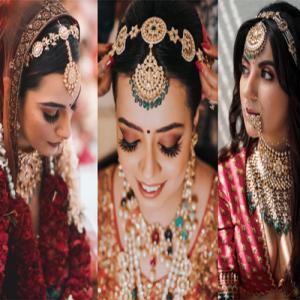
Seeshphool jewellery holds a special place in Indian adornment, resting gracefully on the forehead and framing the face with quiet elegance. Traditionally worn by brides and royalty, the seeshphool—also known as sheesh patti or maangpatti—has evolved beautifully over centuries. While its core symbolism remains rooted in heritage, its designs have adapted to changing tastes, lifestyles, and fashion sensibilities, making it relevant even today.
In the past, seeshphool jewellery was closely associated with royal courts, especially in North India, Rajasthan, and the Mughal era. Queens and noblewomen wore elaborate forehead ornaments made of gold, uncut diamonds, rubies, emeralds, and pearls. These pieces were heavy, symmetrical, and richly detailed, often forming a chain of floral or paisley motifs that spread across the hairline. The central pendant rested on the forehead, believed to enhance the bride’s aura and highlight the ajna chakra, a point associated with intuition and inner awareness.
Historically, the seeshphool was more than just decoration. It symbolized prosperity, protection, and marital status. In weddings, especially among Rajput and Mughal-influenced communities, wearing a seeshphool was considered auspicious. The jewellery also reflected family wealth and craftsmanship, as each piece was custom-made by skilled karigars using techniques passed down through generations.
As time moved forward and lifestyles became more practical, seeshphool designs began to change. During the early to mid-20th century, simpler versions emerged. While gold remained dominant, the designs became more streamlined. Instead of multiple chains, women began choosing single-strand or lightly layered patterns that were easier to wear and manage. Pearls became more prominent, lending softness and grace to the look.
With the rise of cinema and fashion icons, seeshphool jewellery found new inspiration. Classic films showcased actresses wearing delicate forehead ornaments that felt romantic rather than regal. This shift made the seeshphool appealing beyond royal or bridal wear and introduced it to festive and performance-based styling.
In recent years, seeshphool jewellery has made a strong comeback, especially in bridal fashion and fusion styling. Modern brides are revisiting traditional silhouettes but with a contemporary twist. Polki, kundan, and meenakari designs are now crafted in lighter weights, making them comfortable for long wedding ceremonies. Many brides prefer adjustable or modular seeshphools that can be styled in multiple ways, offering both tradition and flexibility.
One of the biggest trends today is minimal seeshphool jewellery. Instead of heavy, ornate pieces, women are choosing sleek designs with fine chains and subtle stones. These work beautifully with modern lehengas, pastel outfits, and even fusion attire. Another rising trend is oxidized and antique-finish seeshphools, inspired by temple jewellery and folk aesthetics. These are popular for pre-wedding events, photoshoots, and cultural celebrations.
Designers are also experimenting with floral-inspired seeshphools, using enamel work, soft gemstones, and handcrafted details. These styles appeal to brides who want something unique yet rooted in tradition. For contemporary fashion lovers, seeshphool jewellery is now being styled with boho outfits, shararas, and even sarees with modern drapes, proving its versatility.
The significance of seeshphool jewellery remains deeply emotional and cultural. It continues to symbolize grace, femininity, and the celebration of important life moments. For many women, wearing a seeshphool is a way of connecting with ancestry, rituals, and timeless beauty while expressing personal style.
From royal courts to modern runways, the journey of seeshphool jewellery reflects India’s ability to honor tradition while embracing change. Its evolution shows that true heritage never fades—it simply transforms, finding new meaning with every generation.
TAGS : the evolution of seeshphool jewellery: from royal tradition to modern trend, seeshphool jewellery


