
Home Remedies to Manage Anemia Naturally: Gentle Ways to Support Healthy Iron Levels
Anemia is a common health concern, especially among women, adolescents, and people with busy or stressful lifestyles. It often shows up quietly—constant tiredness, pale skin, shortness of breath, headaches, or difficulty concentrating. In many cases, anemia is linked to low iron levels, though it can also be related to deficiencies of vitamin B12 or folate. While medical diagnosis and treatment are important, simple home remedies and food habits can play a strong supporting role in improving hemoglobin levels over time.
One of the most effective natural approaches to managing anemia starts in the kitchen. Iron-rich foods are the foundation. Traditional Indian diets actually offer many excellent options. Green leafy vegetables like spinach, amaranth, drumstick leaves, and fenugreek are packed with iron. Including them regularly as sabzi, dal, or added to rotis can make a meaningful difference. Cooking these greens lightly helps retain nutrients while making them easier to digest.
Jaggery is another age-old remedy widely used in Indian households. It is rich in iron and minerals and works as a gentle blood builder when consumed consistently. A small piece of jaggery after meals or mixed with roasted peanuts or sesame seeds makes a nourishing snack. Many people also combine jaggery with dry ginger or ghee during winter months for added warmth and absorption.
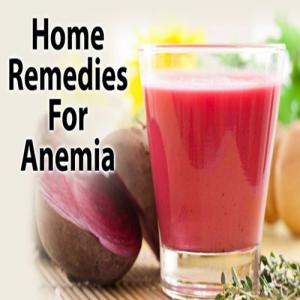
Beetroot is often recommended for anemia, and for good reason. It supports red blood cell production and improves blood quality. Drinking fresh beetroot juice a few times a week or adding grated beetroot to salads and curries can help boost energy levels. For better taste and balance, beetroot can be combined with carrot or apple.
Dates and raisins are simple yet powerful remedies. Soaking a handful of raisins overnight and eating them on an empty stomach in the morning is a common practice to improve iron levels. Dates, when consumed regularly, help fight weakness and fatigue. They are especially beneficial for women during menstruation or postpartum recovery.
Vitamin C plays a crucial role in iron absorption, so pairing iron-rich foods with vitamin C sources is essential. Adding lemon juice to dals and vegetables, eating oranges, guava, amla, or having fresh fruit after meals can significantly improve how well the body absorbs iron. This small habit often makes a big difference.
Another helpful home remedy is using iron utensils for cooking. Cooking food in iron kadais or pans naturally increases the iron content of the food, especially when preparing acidic dishes like tomato-based curries or tamarind gravies. This is a simple traditional practice that modern kitchens can easily adopt again.
Seeds like sesame seeds, pumpkin seeds, and garden cress seeds are also beneficial. Garden cress seeds, known as halim or aliv seeds, are particularly popular in Indian home remedies for anemia. They can be soaked, powdered, or mixed with milk or laddoos and consumed regularly to support hemoglobin levels.
While focusing on what to eat, it’s also important to be mindful of what may block iron absorption. Drinking tea or coffee immediately after meals can reduce iron uptake. It’s better to keep a gap of at least an hour between meals and these beverages.
Adequate rest, stress management, and gentle physical activity like walking or yoga also support overall blood health. Practices like pranayama help improve oxygen circulation and energy levels, which can be helpful for people feeling weak due to anemia.
Home remedies work best when followed consistently and patiently. They support the body’s natural healing process but should not replace medical advice, especially in severe cases. With mindful eating, traditional wisdom, and balanced routines, managing anemia naturally can become a sustainable part of everyday life.
TAGS : home remedies to manage anemia naturally: gentle ways to support healthy iron levels, home remedies , anemia


