
Oxidised Jewellery Trends and Their Origins Where Tradition Meets Everyday Style
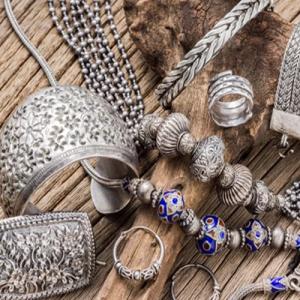
Oxidised jewellery has quietly moved from temple towns and tribal markets into urban wardrobes, college campuses, and even high-fashion runways. What once felt rustic and regional is now seen as bold, expressive, and deeply rooted in Indian culture. The charm of oxidised jewellery lies in its raw, antique finish and the stories it carries from the past into the present.
The origin of oxidised jewellery in India can be traced back to tribal and folk communities. Long before polished gold and diamonds became symbols of status, silver was widely used by rural and nomadic groups. These communities valued silver not just for beauty but also for its believed healing properties. Over time, natural oxidation occurred as silver reacted with air, giving it a darker, matte finish. Instead of polishing it away, artisans embraced this look, and a whole aesthetic was born.
Regions like Rajasthan, Gujarat, Odisha, and parts of South India played a major role in shaping oxidised jewellery styles. In Rajasthan, chunky silver necklaces, anklets, and bangles were worn by women as a sign of identity and strength. Gujarat’s oxidised pieces often featured mirror work and bold geometric patterns, reflecting the vibrant folk culture of the state. In Odisha, intricate filigree silver jewellery inspired oxidised designs that are still admired for their delicate craftsmanship.
In South India, oxidised jewellery draws heavily from temple motifs. Designs inspired by gods, goddesses, lotuses, peacocks, and traditional dance forms like Bharatanatyam are very popular. These pieces echo the grandeur of temple jewellery but in a more wearable, affordable, and versatile form. This connection to spirituality and tradition gives oxidised jewellery a soulful depth that mass-produced accessories often lack.
In recent years, oxidised jewellery has become a strong fashion statement. One of the biggest trends is oversized statement pieces. Large chokers, layered necklaces, and bold jhumkas are now styled with simple cotton sarees, handloom kurtas, and even plain dresses. The contrast between minimal clothing and heavy oxidised jewellery creates a powerful, grounded look that feels effortless yet intentional.
Another growing trend is mixing oxidised jewellery with Indo-western outfits. Women pair oxidised earrings with denim jackets, crop tops, and maxi dresses. Men are also embracing oxidised accessories, such as rings, bracelets, and pendants with tribal or symbolic designs. This gender-neutral appeal has helped oxidised jewellery find a wider audience, especially among younger fashion lovers.
Oxidised jewellery with nature-inspired motifs is also gaining attention. Designs featuring leaves, flowers, birds, the moon, and the sun reflect a return to earthy aesthetics. These pieces feel especially relevant in a time when people are seeking balance, sustainability, and deeper meaning in what they wear. Many buyers today are drawn to the idea of slow fashion, and oxidised jewellery fits perfectly into that mindset.
What makes oxidised jewellery truly timeless is its versatility. It can be festive or everyday, traditional or modern, bold or subtle. A single oxidised ring can elevate a casual outfit, while a full set can transform a simple saree into a statement look. Unlike trend-driven accessories, oxidised jewellery doesn’t feel outdated quickly because it is rooted in heritage.
Today’s designers are also experimenting by blending traditional oxidised techniques with contemporary shapes. Minimal pendants, sleek cuffs, and modern ear climbers are being created using oxidised finishes. This fusion keeps the craft relevant while respecting its origins.
Oxidised jewellery is more than just a trend—it is a reflection of India’s diverse cultural history and evolving fashion sensibility. Each piece carries echoes of the past while fitting seamlessly into modern lifestyles. Wearing oxidised jewellery is not just about style; it’s about embracing stories, craftsmanship, and a timeless sense of individuality.


