
How to Control Anger Issues: Simple Ways to Find Calm and Balance
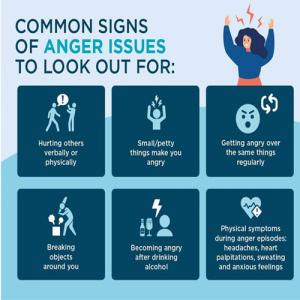
Anger is a natural emotion. Everyone feels it—at work, at home, in traffic, or during stressful moments. But when anger starts controlling your reactions, damaging relationships, or affecting your health, it becomes important to understand and manage it. Learning to control anger is not about suppressing feelings; it’s about responding thoughtfully instead of reacting instantly.
Understand What Triggers Your Anger
The first step in controlling anger is awareness. Anger often comes from specific triggers—feeling disrespected, misunderstood, overwhelmed, or powerless. Take time to notice patterns. Does your anger rise during arguments, deadlines, or when expectations aren’t met?
Once you identify your triggers, you can prepare for them mentally. Awareness creates a pause between feeling angry and acting on it, and that pause is powerful.
Learn to Pause Before Reacting
When anger strikes, the body reacts instantly—heart rate increases, muscles tense, and thoughts race. In these moments, reacting immediately often leads to regret. Train yourself to pause.
Take a few slow, deep breaths. Count to ten. Step away from the situation if possible. Even a short pause helps calm the nervous system and allows your rational mind to take control.
Express Anger in a Healthy Way
Suppressing anger can be as harmful as expressing it aggressively. The goal is healthy expression. Use calm and clear communication. Instead of blaming or shouting, speak about how you feel using “I” statements.
For example, say “I feel upset when this happens” rather than “You always make me angry.” This approach reduces conflict and increases understanding.
Practice Physical Release
Anger creates physical tension in the body. Releasing that tension through movement can help calm the mind. Simple activities like walking, stretching, yoga, or even household chores can reduce anger buildup.
Regular exercise improves mood and lowers stress hormones, making you less reactive in emotionally charged situations.
Improve Sleep and Diet
Lack of sleep and poor nutrition can make anger harder to control. When the body is tired or undernourished, emotional regulation becomes difficult. Prioritize quality sleep and balanced meals.
Limit excessive caffeine and sugar, as they can increase irritability. Staying hydrated also helps maintain emotional balance.
Shift Your Perspective
Anger often grows from rigid thinking—expecting people or situations to behave a certain way. Learning flexibility can reduce frustration. Ask yourself if the issue will matter in a week, a month, or a year.
Practicing empathy also helps. Try to understand the other person’s perspective. This doesn’t mean accepting wrong behavior, but it helps soften emotional reactions.
Build Relaxation into Daily Life
Daily relaxation practices reduce overall stress levels, making anger easier to manage. Meditation, breathing exercises, journaling, or quiet time with music can be powerful tools.
Even five to ten minutes of mindful breathing each day can improve emotional control over time.
Know When to Seek Support
If anger feels overwhelming or leads to aggressive behavior, seeking professional help is a strong and positive step. Therapy or counseling can help uncover deeper emotional patterns and teach effective coping strategies.
Final Thoughts
Controlling anger doesn’t mean becoming emotionless. It means learning to respond with awareness, clarity, and self-respect. With patience and practice, anger can transform from a destructive force into a signal for growth. When you choose calm over chaos, you not only protect your health but also create healthier relationships and a more peaceful life.
TAGS : how to control anger issues: simple ways to find calm and balance


