
Dudhsagar Lake: How to Visit the Milky Marvel of the Western Ghats
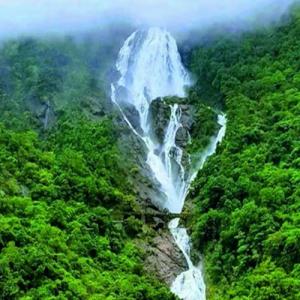
Dudhsagar, literally meaning “sea of milk,” is one of those places that feels almost unreal when you finally see it. Tucked deep inside the Western Ghats on the Goa–Karnataka border, Dudhsagar is famous for its roaring waterfall, but many travelers also refer to the calm water body formed at the base as Dudhsagar Lake. Whether you’re a nature lover, a first-time trekker, or someone looking for a monsoon escape, Dudhsagar offers raw beauty with a touch of adventure.
Where Dudhsagar Is Located
Dudhsagar is situated inside the Bhagwan Mahaveer Wildlife Sanctuary and Mollem National Park. While it is often associated with Goa, the falls actually lie closer to the Karnataka side. The surrounding forests are dense, green, and full of life, making the journey as memorable as the destination.
Best Time to Visit
The best time to visit Dudhsagar is between October and February, when the weather is pleasant and access routes are mostly open. During monsoon months, the waterfall is at its most powerful and dramatic, but heavy rains often restrict entry due to safety concerns. Summer months are quieter and warmer, but the water flow reduces.
If you want to enjoy both the waterfall and the lake-like pool at the bottom, post-monsoon is ideal. The water is still strong, yet safe enough to appreciate from designated viewpoints.
How to Reach Dudhsagar
By Train:
The nearest major railway stations are Madgaon (Goa) and Castle Rock (Karnataka). Many travelers enjoy spotting Dudhsagar from passing trains, as the waterfall runs close to the railway bridge, creating a postcard-perfect view.
By Road:
From Panaji or Madgaon, you can drive to Mollem. Private taxis and self-drive cars are common. From Mollem, further access depends on permissions and seasonal rules.
Entry Routes and Permits
To reach Dudhsagar Lake and the base of the falls, visitors usually need to enter through the sanctuary gates. Entry is regulated, and permissions are mandatory. Forest officials manage the flow to protect both visitors and the ecosystem.
Jeep safaris are one of the most popular ways to reach closer to the falls. These rides are bumpy, adventurous, and fun, especially for groups. Trekking routes are also available but may be closed during certain months for safety reasons.
Trekking to Dudhsagar
Trekking to Dudhsagar is a favorite among adventure seekers. The trail passes through forest paths, streams, and railway tracks, offering a close connection with nature. However, trekking is allowed only when conditions are safe and officially permitted. Beginners are advised to go with experienced guides.
The trek is moderately challenging but rewarding. The sound of the waterfall grows louder as you approach, building excitement with every step.
What to Expect at Dudhsagar Lake
At the base of the falls, the water collects into a natural pool, often referred to as Dudhsagar Lake. The mist, the sound of crashing water, and the cool air create a magical atmosphere. Swimming is usually restricted for safety, but simply standing near the water and soaking in the view is an unforgettable experience.
What to Carry
Wear comfortable clothes, sturdy footwear, and carry drinking water. A light rain jacket is useful even outside monsoon months. Avoid carrying plastic, as the area is strictly protected.
Final Thoughts
Dudhsagar is not just a sightseeing spot; it’s an experience of nature in its purest form. Whether you arrive by jeep, trek through forests, or admire it from afar, Dudhsagar Lake and the falls leave a lasting impression. It’s a reminder that sometimes, the best journeys are the ones where nature leads the way.
TAGS : dudhsagar lake: how to visit the milky marvel of the western ghats, dudhsagar lake, western ghats, goa–karnataka border


