
Ragi Sankati and Natu Kodi Pulusu: A Wholesome Andhra Comfort Meal
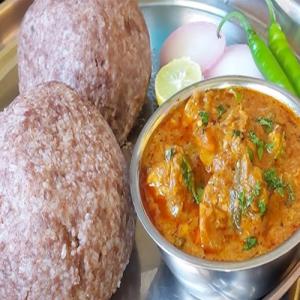
Some meals don’t just fill your stomach—they ground you. Ragi Sankati with Natu Kodi Pulusu is one such soulful combination from Andhra kitchens, especially popular in Rayalaseema and rural households. It’s earthy, nourishing, and deeply satisfying, the kind of food that reminds you of home, slow cooking, and eating with your hands while sitting on the floor. This meal is not about fancy plating; it’s about strength, warmth, and honest flavors.
The Essence of the Dish
Ragi Sankati is a soft, steamed dumpling made from finger millet flour, known for its cooling properties and rich nutrition. When paired with Natu Kodi Pulusu—a spicy, slow-cooked country chicken curry—it becomes a perfect balance of health and indulgence. Traditionally, this meal is eaten after long working days, especially by farmers, because it keeps you full and energized for hours.
Ragi Sankati Recipe
Ingredients
• Ragi (finger millet) flour
• Rice (optional, for softer texture)
• Water
• Salt
Preparation
Start by cooking a small quantity of rice until it becomes very soft and slightly mushy. This step is optional, but it helps give the sankati a smoother texture, especially for first-timers. Once the rice is cooked, add water to the pot and bring it to a gentle boil.
Now slowly add ragi flour while continuously stirring to avoid lumps. This step needs patience and steady stirring. Add salt as needed. As the mixture thickens, reduce the flame and continue stirring until it comes together into a soft, dough-like consistency. The color will turn deep brown, and the texture will feel heavy and smooth.
Once done, cover and let it rest for a few minutes. Traditionally, the hot mixture is shaped into round balls using wet hands. Ragi Sankati is usually served warm and eaten by dipping into the pulusu rather than mixing completely.
Natu Kodi Pulusu Recipe
Ingredients
• Country chicken pieces (with bone for best flavor)
• Onions, finely sliced
• Tomatoes, chopped
• Green chillies
• Ginger-garlic paste
• Red chilli powder
• Turmeric powder
• Coriander powder
• Garam masala
• Fresh coriander leaves
• Oil and salt
Preparation
Heat oil in a heavy-bottomed vessel. Add sliced onions and sauté until they turn golden brown. This step builds the base flavor, so don’t rush it. Add ginger-garlic paste and green chillies, cooking until the raw smell disappears.
Next, add tomatoes and cook until they soften and release oil. Now add turmeric, red chilli powder, coriander powder, and salt. Mix well and let the masala cook slowly. Once the oil separates, add the country chicken pieces and stir until they are well coated with the masala.
Cover and cook on a low flame. Natu kodi releases its own juices, so avoid adding too much water initially. After the chicken starts to soften, add water as required for a pulusu-like consistency. Let it simmer until the chicken becomes tender and the gravy thickens naturally. Finish with garam masala and fresh coriander leaves.
How to Eat It Traditionally
The beauty of this meal lies in how it’s eaten. A small piece of ragi sankati is torn by hand, dipped into the hot natukodipulusu, and enjoyed slowly. The mild, earthy taste of ragi perfectly balances the spicy, rustic flavors of the chicken curry.
Why This Meal Is Special
This combination is naturally rich in iron, calcium, and protein. Ragi aids digestion and keeps the body cool, while country chicken provides strength and warmth. It’s a meal that reflects traditional wisdom—eating seasonal, local, and balanced food.
Ragi Sankati and Natu Kodi Pulusu are not just recipes; they are a reminder of slow food, mindful eating, and the comfort of traditional Indian kitchens. One bite, and you’ll understand why this humble meal has stood the test of time.
TAGS : ragi sankati and natu kodi pulusu: a wholesome andhra comfort meal, ragi sankati , natu kodi pulusu


