
A Flavorful Journey Across India: Recipes of Different Types of Biryanis
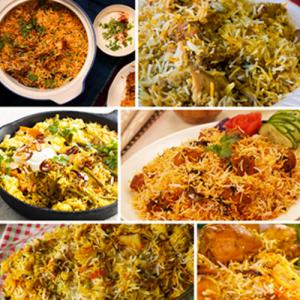
Biryani is not just a dish in India—it’s an emotion that changes its accent every few hundred kilometers. From spicy southern versions to fragrant northern styles, each biryani reflects the culture, climate, and history of its region. While the core idea remains the same—aromatic rice layered with spiced meat or vegetables—the techniques and flavors are beautifully diverse. Let’s take a culinary tour of India through some of its most loved biryanis and how you can make them at home.
Hyderabadi Dum Biryani
This iconic biryani is known for its bold spices and slow cooking method.
Key Ingredients: Basmati rice, chicken or mutton, yogurt, fried onions, ginger-garlic paste, green chilies, saffron milk, whole spices, mint and coriander.
Method:
Marinate the meat with yogurt, spices, herbs, and fried onions for several hours. Parboil basmati rice with whole spices. In a heavy-bottomed pot, layer marinated meat at the bottom, then rice, herbs, and saffron milk. Seal the pot and cook on low heat until the meat is tender and flavors meld together. The result is rich, spicy, and aromatic.
Lucknowi (Awadhi) Biryani
This biryani is subtle, fragrant, and royal in taste.
Key Ingredients: Basmati rice, meat, whole spices, kewra water, rose water, saffron, ghee.
Method:
Cook the meat separately with mild spices until tender. The rice is cooked in stock for extra flavor. Both are then layered gently and cooked on dum with ghee and aromatic waters. This biryani focuses more on aroma than heat, making it elegant and soothing.
Kolkata Biryani
A unique biryani known for its light spices and addition of potatoes.
Key Ingredients: Basmati rice, chicken or mutton, boiled potatoes, eggs, mild spices, ghee.
Method:
Cook the meat with gentle spices and a touch of sweetness. Fry potatoes until golden. Layer rice, meat, potatoes, and eggs, then cook briefly on low heat. The flavors are delicate, slightly sweet, and very comforting.
Malabar (Thalassery) Biryani
A coastal biryani from Kerala with a distinct rice variety.
Key Ingredients: Short-grain jeerakasala rice, chicken, fried onions, coconut oil, garam masala, raisins and cashews.
Method:
Cook the chicken in a spiced gravy using coconut oil. Prepare rice separately with whole spices. Layer rice and meat, garnish with fried onions, nuts, and ghee. This biryani is mildly spiced with a rich, aromatic finish.
Ambur Biryani
A Tamil Nadu specialty with bold, simple flavors.
Key Ingredients:Seeraga samba rice, chicken or mutton, red chilies, garlic, tomatoes.
Method:
Cook meat with a paste of red chilies and garlic. Add soaked rice directly to the same pot and cook until done. This one-pot biryani is fiery, flavorful, and less oily.
Vegetable Biryani (Pan-India Style)
Perfect for vegetarians without compromising on taste.
Key Ingredients: Basmati rice, mixed vegetables, yogurt, biryani masala, herbs.
Method:
Cook vegetables in spiced yogurt gravy. Layer with parboiled rice and cook on dum. The key is using fresh spices and herbs to build flavor.
Why Biryani Brings India Together
Every biryani tells a story—of royal kitchens, trade routes, local ingredients, and family traditions. Whether you prefer it spicy, mild, meaty, or vegetarian, biryani has a version for everyone. Cooking different styles at home is like traveling across India, one pot at a time.
No matter which recipe you try, patience and love are the secret ingredients. Because a good biryani is never rushed—it’s slowly layered, just like its flavors and history.
TAGS : a flavorful journey across india: recipes of different types of biryanis, biryani


