
Rainy Season Prevention: Simple Ways to Stay Healthy During the Monsoon
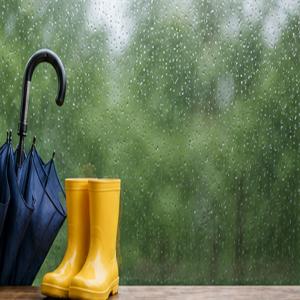
The rainy season has its own charm. Cooler
evenings, fresh greenery and the sound of rain can be a welcome change after
months of heat. But monsoon weather also creates conditions in which mosquitoes
multiply, food spoils faster and contaminated water can increase the risk of
illness. Staying healthy during the rains does not require a complicated
routine. A few sensible habits can make everyday life safer and more
comfortable.
1. Pay
Extra Attention to Safe Drinking Water
Heavy rain can sometimes contaminate local
water supplies. Make sure your drinking water comes from a safe source and use
an appropriate filtration or purification method when needed. Keep
drinking-water containers clean and covered. When travelling, be careful about
water and ice if you are unsure how they were prepared.
2. Be Smart
About Food Hygiene
Warm, humid weather can encourage bacteria
to multiply in food. Choose freshly cooked meals, refrigerate perishable foods
promptly and avoid leaving cooked food at room temperature for long periods.
Wash fruits and vegetables thoroughly with safe water. Street food can be
tempting during rainy evenings, but choose vendors where ingredients are
protected and food is prepared fresh.
3. Don't
Give Mosquitoes a Place to Breed
Rainwater collecting in buckets, plant
trays, coolers, discarded containers and other objects can become breeding
sites for mosquitoes. Empty standing water regularly and keep water-storage
containers properly covered. Use mosquito screens, nets or suitable repellents
when necessary, particularly in areas where mosquito-borne illnesses are
common.
4. Keep
Your Hands Clean
Handwashing remains one of the simplest
ways to reduce the spread of many infections. Wash your hands with soap and
clean water before preparing or eating food, after using the toilet and after
returning home from crowded public places. Carrying an alcohol-based hand
sanitizer can be useful when soap and water are not immediately available.
5. Change
Out of Wet Clothes
Getting caught in the rain is sometimes
unavoidable. Once you are home, change out of soaked clothes and dry yourself
properly. Keep footwear and socks dry as much as possible, because prolonged
dampness can encourage fungal skin problems. Avoid walking barefoot through
floodwater or dirty stagnant water, which may contain harmful organisms or
hidden sharp objects.
6. Keep
Your Home Dry and Ventilated
Persistent dampness can encourage mould and
make indoor spaces uncomfortable, particularly for people sensitive to it. Dry
wet areas promptly, allow fresh air to circulate when weather permits and check
bathrooms, kitchens and corners for moisture. Fixing leaks early can prevent a
small damp patch from becoming a bigger problem.
7. Support
Your Health With Everyday Habits
There is no single food that can guarantee
immunity from seasonal illness. A balanced diet, adequate fluids, regular
physical activity and sufficient sleep are more reliable foundations. Include
vegetables, fruits, whole grains and suitable protein sources in your meals,
and continue drinking water even when cool weather makes you feel less thirsty.
Know When
to Get Medical Help
Do not assume every fever during the rainy
season is simply a common cold. Persistent or high fever, severe weakness,
repeated vomiting, breathing difficulty, significant dehydration, unusual
bleeding or rapidly worsening symptoms should be medically assessed. Early
evaluation can be particularly important during seasons when dengue and other
infections are circulating.
The monsoon is meant to be enjoyed, not
feared. Carry an umbrella, keep your surroundings clean, choose safe food and
water, and pay attention to how your body feels. Small preventive habits
practiced consistently can help you enjoy rainy mornings and cozy evenings with
fewer health worries.
TAGS : monsoon health tips, rainy season health tips, monsoon health care, rainy season diseases, monsoon safety tips, monsoon hygiene tips, health tips for rainy season, safe drinking water, drinking water safety, food hygiene during monsoon


