
Healthcare Data Analyst: Predicting Patient Outcomes with AI
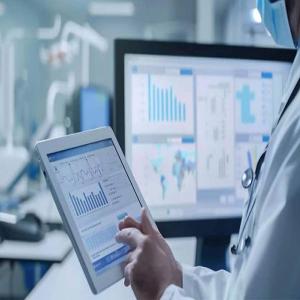
The healthcare industry is undergoing a quiet but powerful transformation, and at the center of it is data. Every hospital visit, lab report, scan, prescription, and follow-up generates information. Turning this vast amount of data into meaningful insights is where a healthcare data analyst steps in. When combined with artificial intelligence, this role becomes even more impactful, helping predict patient outcomes and support better medical decisions.
A healthcare data analyst works at the intersection of medicine, statistics, and technology. Their job is to study patterns in clinical data and translate them into insights that doctors, nurses, and hospital administrators can act on. Unlike traditional data roles, healthcare analytics directly affects human lives, making accuracy and ethics extremely important.
Predicting patient outcomes is one of the most valuable applications of AI in healthcare analytics. AI models can analyze thousands of variables at once, something that would be nearly impossible for humans to do manually. These variables may include patient age, medical history, lab results, lifestyle factors, and even social conditions. By learning from past cases, AI systems can identify early warning signs and forecast how a patient’s condition might progress.
For example, in hospitals, AI-powered models help predict which patients are at higher risk of readmission after discharge. This allows healthcare teams to provide additional care, counseling, or follow-up plans before the patient leaves the hospital. In critical care units, predictive models can flag patients who may deteriorate in the next few hours, giving doctors valuable time to intervene.
Healthcare data analysts play a key role in building, validating, and maintaining these AI models. They clean and prepare raw data, ensuring it is accurate and consistent. Medical data often comes from multiple systems and formats, and even small errors can lead to incorrect predictions. Analysts must understand both the technical side of data and the clinical meaning behind it.
Another major responsibility is interpreting AI results in a way that medical professionals can trust and understand. Doctors need clear explanations, not just predictions. A good healthcare data analyst ensures that insights are presented with context, showing why a model made a certain prediction and how reliable it is. This builds confidence and encourages adoption of AI tools in everyday clinical practice.
Ethics and privacy are critical considerations in this field. Patient data is sensitive, and analysts must follow strict data protection rules. Bias is another concern. If historical data reflects unequal access to care, AI models may unintentionally repeat those patterns. Healthcare data analysts work to identify and reduce such biases, ensuring that predictions are fair and beneficial to all patient groups.
The impact of predictive analytics goes beyond hospitals. In public health, AI models help forecast disease outbreaks and identify high-risk communities. In personalized medicine, data-driven predictions support customized treatment plans based on individual patient profiles. These advancements improve outcomes while also reducing healthcare costs and unnecessary procedures.
For professionals interested in this career, a strong foundation in statistics, data analysis, and healthcare concepts is essential. Skills in programming, machine learning, and data visualization are increasingly in demand. Equally important is the ability to communicate complex findings in simple, human terms.
Being a healthcare data analyst is not just about working with numbers and algorithms. It is about improving patient care, supporting medical teams, and making healthcare systems smarter and more responsive. As AI continues to evolve, healthcare data analysts will remain at the forefront, shaping a future where data-driven insights lead to healthier lives and better outcomes for everyone.
TAGS : healthcare data analyst: predicting patient outcomes with ai, healthcare data analyst


