
Exercise During Pregnancy: What You Need to Know
Pregnancy is an important phase of life when a woman's body
goes through several physical and hormonal changes. Staying active during this
period can support overall well-being, improve mood, and help prepare the body
for childbirth. However, exercise during pregnancy should always be approached
with care, as every pregnancy is different.
For women with uncomplicated pregnancies, regular physical
activity is generally encouraged by healthcare professionals. The goal is not
to achieve intense fitness results but to maintain strength, flexibility, and
energy while supporting a healthy pregnancy. Understanding which exercises are
suitable and which activities to avoid can help expectant mothers stay active with
confidence.
1. Why Is Exercise Important During Pregnancy?
Regular physical activity offers several potential benefits
during pregnancy. It can help improve circulation, support heart health,
maintain muscle strength, and reduce common discomforts such as back pain and
constipation.
Exercise may also help manage healthy weight gain and lower
the risk of certain pregnancy-related complications, including gestational
diabetes and high blood pressure.
Apart from physical benefits, staying active can improve
sleep quality and reduce stress. Gentle movement can also help women feel more
energetic and positive throughout pregnancy.
2. Walking: A Simple Way to Stay Active
Walking is one of the easiest exercises for pregnant women,
particularly those who are beginners. It does not require special equipment and
can be adjusted according to individual fitness levels.
A comfortable 15–30-minute walk can be a good starting
point. Choose a flat, safe route, wear supportive footwear, and avoid walking
during extremely hot weather.
Women who were already active before pregnancy may be able
to continue walking for longer, provided they feel comfortable and their
healthcare professional approves.
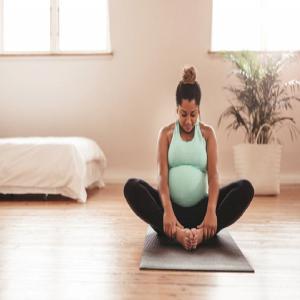
3. Prenatal Yoga for Flexibility and Relaxation
Prenatal yoga focuses on gentle stretching, breathing
techniques, posture, and relaxation. It may help improve flexibility, reduce
muscle tension, and support emotional well-being.
Certain modified yoga poses can also help manage lower back
discomfort and improve body awareness. However, pregnant women should choose
classes specifically designed for pregnancy.
Avoid advanced poses, deep twists, excessive stretching, and
positions that create discomfort or increase the risk of falling.
4. Swimming and Water-Based Exercises
Swimming is another suitable activity for many women with
uncomplicated pregnancies. Water supports body weight, reducing pressure on the
joints and making movement more comfortable.
Gentle swimming and pregnancy-safe water exercises can help
improve circulation, strengthen muscles, and provide relief from the feeling of
heaviness as pregnancy progresses.
Always choose a clean, safe swimming facility and avoid
diving, strenuous movements, or activities that may cause slipping.
5. Gentle Strength Training
Maintaining muscle strength can support posture and everyday
activities during pregnancy. Light resistance exercises using body weight or
suitable light weights may help strengthen the arms, legs, and back.
Examples include modified squats, wall push-ups, and gentle
resistance-band exercises.
Avoid lifting excessively heavy weights, holding your
breath, or performing movements that strain the abdominal muscles. Proper
technique and comfortable intensity are more important than the number of
repetitions.
6. Exercises and Activities to Avoid
Not every workout is suitable during pregnancy. Activities
involving a high risk of falling, abdominal injury, or physical impact should
generally be avoided.
These include:
Contact
sports such as boxing and martial arts.
Horse
riding, skiing, and other activities with a high risk of falling.
Scuba
diving.
Heavy
lifting or intense workouts that involve excessive straining.
Hot
yoga or exercising in extremely hot conditions.
Exercises may also need modification as pregnancy
progresses. Always follow individual medical advice.
7. Important Safety Tips for Expectant Mothers
Before starting an exercise routine, consult your
obstetrician or healthcare professional, particularly if you have a high-risk
pregnancy or an existing medical condition.
For many healthy pregnant women, approximately 150 minutes
of moderate-intensity aerobic activity per week is recommended, spread across
several days.
Stay hydrated, wear comfortable clothing, avoid overheating,
and listen to your body. Stop exercising and seek medical advice if you
experience vaginal bleeding, fluid leakage, dizziness, chest pain, painful
contractions, severe breathlessness, or calf pain or swelling.
Conclusion
Exercise during pregnancy can be a positive part of a
healthy lifestyle when chosen carefully. Activities such as walking, prenatal
yoga, swimming, and gentle strength training can help maintain physical fitness
and emotional well-being.
However, there is no single workout routine that suits every
expectant mother. Medical guidance, personal comfort, and the stage of
pregnancy should always determine the level of activity. The focus should be on
staying healthy, moving comfortably, and giving the body the care it needs
throughout this special journey.
TAGS : safe exercises during pregnancy, pregnancy workout routine, best exercises for pregnant women, exercise during pregnancy benefits,


