Building a Flexible Career: Remote Work Strategies and Work-Life Balance
The idea of a flexible career has become more than just a trend; it is now a realistic goal for many professionals. With remote work becoming widely accepted across industries, people are rethinking how, where, and when they work. Building a flexible career is not only about working from home but also about creating a sustainable routine that supports productivity, personal growth, and well-being.
Remote work offers freedom that traditional office roles often lack. No daily commute, fewer rigid schedules, and the ability to design your own workspace can significantly improve quality of life. However, flexibility comes with responsibility. Without structure, work can easily blur into personal time, leading to burnout. That’s why successful remote careers are built on intentional strategies and healthy boundaries.
One of the first steps in creating a flexible career is setting clear expectations. This applies both to yourself and to your employer or clients. Defining working hours helps maintain consistency and prevents constant availability. When people know when you are reachable, communication becomes smoother and less stressful. Flexibility does not mean working all the time; it means working smartly.
Creating a dedicated workspace is another essential strategy. Even in a small home, having a specific area for work helps mentally separate professional tasks from personal life. A well-lit, comfortable, and organized space can boost focus and reduce distractions. When the workday ends, stepping away from that space signals your mind to relax.
Time management plays a major role in remote work success. Flexible schedules allow you to work during your most productive hours, but they also require discipline. Planning tasks in advance, setting daily goals, and taking regular breaks help maintain momentum. Short pauses during the day refresh the mind and prevent mental fatigue.
Communication is equally important in a remote setup. Staying connected with teams or clients builds trust and clarity. Regular check-ins, clear updates, and timely responses ensure that work flows smoothly. Good communication also reduces misunderstandings, which can otherwise increase stress in remote environments.
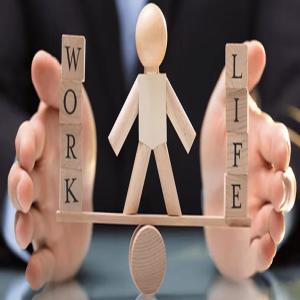
Work-life balance is at the heart of a flexible career. When work happens at home, it’s easy to let it take over personal time. Setting boundaries, such as logging off at a fixed hour and avoiding work-related notifications after hours, protects mental health. Making time for hobbies, exercise, and relationships adds meaning and balance to daily life.
Flexibility also allows space for personal development. Remote work often saves time that would otherwise be spent commuting. Using that time for learning new skills, pursuing creative interests, or focusing on health can be deeply rewarding. A flexible career supports growth not just professionally, but personally as well.
It’s important to recognize that flexibility looks different for everyone. Some thrive with structured routines, while others prefer fluid schedules. The key is self-awareness. Understanding your work style, energy levels, and priorities helps you design a routine that truly works for you.
Challenges will still arise. Feelings of isolation, distractions at home, or difficulty switching off are common. Addressing these challenges early through social connections, structured routines, and self-care makes a big difference.
Building a flexible career is an ongoing process, not a one-time decision. It requires patience, adaptability, and honest reflection. When approached thoughtfully, remote work can offer the freedom to build a career that fits your life, rather than forcing your life to fit your career.
TAGS : building a flexible career: remote work strategies and work-life balance


