
Bichiya: The Traditional Toe Ring That Symbolizes Marriage and Grace
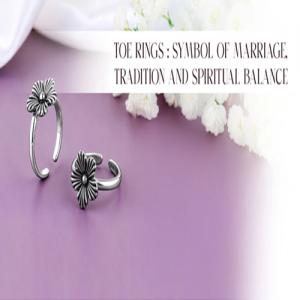
In Indian culture, jewelry is not just about beauty — it carries meaning, tradition, and emotion. One such meaningful ornament is the bichiya, also known as the toe ring. Worn by married women, bichiya is more than a decorative accessory; it represents marital status, cultural identity, and age-old customs passed down through generations.
Though small in size, its significance is deeply rooted in tradition.
What Is a Bichiya?
A bichiya is a toe ring traditionally worn by married Hindu women, usually on the second toe of both feet. It is most commonly made of silver and sometimes decorated with simple patterns, stones, or intricate carvings.
Unlike other ornaments that may vary in style and material, bichiya has maintained its traditional essence for centuries. It is typically gifted to a bride during the wedding ceremony, symbolizing her new role as a married woman.
Cultural and Religious Significance
In many parts of India, especially in states like Uttar Pradesh, Bihar, and Tamil Nadu, wearing bichiya is an important post-marriage ritual. It is as symbolic as other marital ornaments like the mangalsutra or bangles.
According to traditional beliefs, the second toe has a nerve connected to the uterus and heart. Wearing silver toe rings is said to regulate menstrual cycles and support reproductive health. While these claims are rooted in ancient practices, they add to the cultural richness surrounding the ornament.
Silver is chosen intentionally. In Hindu tradition, gold is considered sacred and associated with deities, so it is generally not worn below the waist. Hence, bichiyas are made of silver rather than gold.
A Blend of Tradition and Style
Over time, bichiya has evolved in design. Earlier, it was simple and plain — sometimes thick, sometimes adjustable. Today, jewelers offer a wide range of styles:
• Minimalistic thin bands
• Floral designs
• Stone-studded patterns
• Adjustable open rings
• Contemporary geometric styles
Modern brides often choose designer bichiyas that match their wedding jewelry theme. Some even experiment by wearing toe rings casually, beyond traditional expectations.
Fashion influencers and designers have also helped bring toe rings back into trend, making them a stylish accessory even outside marital symbolism.
Regional Variations
Different regions in India have unique bichiya styles. In South India, toe rings are often thicker and more traditional in design. In North India, lighter and more decorative versions are popular.
In some communities, the groom himself places the bichiya on the bride’s toes during the wedding ceremony — making it an emotional and symbolic moment.
Modern Perspective
While traditionally associated with married women, today’s fashion world has expanded its meaning. Some unmarried women wear toe rings purely as a style statement. However, in many conservative households, bichiya still holds its original marital symbolism.
The modern woman balances both — honoring tradition while embracing personal choice.
Caring for Your Bichiya
Since bichiyas are usually made of silver, they may tarnish over time. To maintain their shine:
• Clean them regularly with a soft cloth
• Avoid exposure to harsh chemicals
• Store them in a dry place
Proper care ensures they remain beautiful for years.
More Than Just Jewelry
What makes bichiya truly special is the emotional value attached to it. For many women, it’s not just an ornament — it’s a memory of their wedding day, a symbol of commitment, and a reflection of cultural identity.
In a world where trends change rapidly, some traditions continue to shine quietly. Bichiya is one such timeless piece — small, elegant, and deeply meaningful.
Whether worn for tradition, belief, or style, this delicate toe ring carries a story of love, heritage, and grace — one step at a time.


