
Day 1 to Day 9 Navaratri Bhog: What to Offer Durga Mata Each Day
Introduction
Navaratri is
one of the most beautiful festivals dedicated to Maa Durga, celebrated with
devotion, fasting, prayers, music and family traditions. One special part of
the celebration is offering bhog, or food prepared with love and offered to the
Goddess before it is shared as prasad. While bhog traditions differ from one region
and family to another, the most important thing is devotion rather than an
elaborate menu. If you are planning a simple nine-day Navaratri puja at home,
these day-wise bhog ideas can make each day meaningful and special.
Day 1 –
Shailaputri
The first day
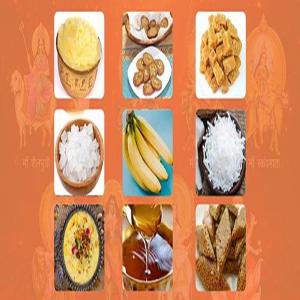
is dedicated to Maa Shailaputri, the first form of Navadurga. A simple offering
of pure foods is considered appropriate. You can offer cow's milk, milk-based
sweets, fruits or a small bowl of kheer. Keep the preparation fresh and simple,
and begin the nine days with a peaceful prayer and a clean puja space.
Day 2 –
Brahmacharini
Day two is
devoted to Maa Brahmacharini, associated with devotion, penance and inner
strength. Sugar is traditionally offered in many households on this day. You
may offer sugar crystals, mishri, fruits or a simple sweet prepared at home.
The offering can be accompanied by a prayer for patience, wisdom and strength.
Day 3 –
Chandraghanta
On the third
day, Maa Chandraghanta is worshipped. Milk and milk-based preparations are
popular bhog choices in many traditions. You can offer kheer, milk, peda or
another simple homemade sweet. If your family follows a particular regional
tradition, that custom can be given priority.
Day 4 –
Kushmanda
The fourth day
celebrates Maa Kushmanda, who is associated with energy and the creative power
of the universe. Malpua is a traditional offering often associated with this
day. You can also offer fruits or a simple homemade sweet. Prepare the bhog
with a calm mind and offer it after your regular puja.
Day 5 –
Skandamata
Day five is
dedicated to Maa Skandamata, the motherly form of the Goddess. Bananas are
commonly offered as bhog on this day. A plate of fresh bananas, seasonal fruits
or a simple fruit-based offering can be kept before the Goddess. The offering
can symbolize gratitude for nourishment, care and family blessings.
Day 6 –
Katyayani
The sixth day
is dedicated to Maa Katyayani, a powerful form of Durga. Honey is traditionally
associated with this day. A small quantity of honey can be offered respectfully,
along with fruits or another sattvic preparation. The prayer can focus on
courage, confidence and the ability to overcome difficulties.
Day 7 –
Kalaratri
Day seven is
dedicated to Maa Kalaratri, the fierce form of Durga who represents protection
and the removal of fear. Jaggery is commonly associated with the bhog for this
day. You can offer jaggery, a simple jaggery-based sweet or seasonal fruit.
Keep the puja atmosphere calm and devotional, remembering that the spirit of
the offering matters most.
Day 8 –
Mahagauri
The eighth day,
Ashtami, is dedicated to Maa Mahagauri and is especially significant in many
homes. Coconut is traditionally offered on this day. You can offer a whole
coconut, coconut-based sweets or other simple prasad. Some families also
perform Kanya Puja on Ashtami, inviting young girls for a meal and treating
them with respect and affection.
Day 9 –
Siddhidatri
The ninth day,
Navami, is dedicated to Maa Siddhidatri, the final form of Navadurga. Sesame
seeds are traditionally associated with offerings on this day. You can offer
sesame-based sweets, fruits or a simple sattvic meal according to your family
custom. Navami is a beautiful time to express gratitude for completing the
nine-day worship and to pray for wisdom, peace and spiritual growth.
A Few
Simple Bhog Tips
Bhog does not
have to be expensive or complicated. Use fresh ingredients, maintain
cleanliness while cooking and avoid tasting the food before offering it. If you
are observing a fast, prepare the bhog according to the fasting rules followed
by your family. Many devotees avoid onion and garlic during Navaratri, while
fasting practices vary widely by region. Most importantly, offer food with a
sincere heart and share the prasad respectfully with family members and others.
Conclusion
The nine days of
Navaratri are not only about what we place on the bhog plate but also about the
feelings behind the offering. Each day gives devotees an opportunity to pause,
pray and express gratitude. Whether you offer a traditional sweet, fresh fruit,
milk or a simple homemade dish, devotion makes the offering meaningful. Maa
Durga is worshipped as strength, compassion and divine energy, and these nine
days can become a beautiful reminder to bring those qualities into everyday
life.
TAGS : navaratri, maa durga, spirituality,main course,recipes


