
Teaching Kids Personal Hygiene: Bathing, Hair Washing, and Keeping Nails Clean
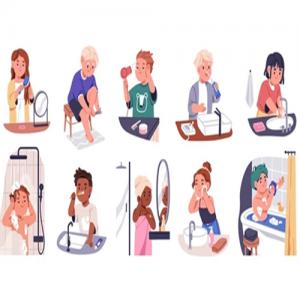
Teaching children personal hygiene is one of the most important habits parents can build early in life. Simple routines like bathing regularly, washing hair, and keeping nails clean help children stay healthy and feel confident. These habits may seem small, but they play a big role in preventing infections, improving cleanliness, and teaching responsibility.
The earlier children learn these routines, the easier they become as they grow older.
Why Personal Hygiene Matters for Kids
Children love playing outdoors, touching different surfaces, and exploring their surroundings. While this helps them learn, it also exposes them to dirt and germs.
Without proper hygiene, children may face issues like skin infections, dandruff, body odor, stomach infections, or nail-related illnesses caused by dirt trapped under their nails.
Good hygiene keeps them healthy and helps build lifelong habits.
Making Bath Time Fun
Many parents struggle with children who avoid baths.
The secret is making bath time enjoyable instead of treating it like a punishment.
Use colorful towels, fun soaps, bath toys, or songs to make the experience exciting.
Explain why bathing matters in simple terms like, “Bathing helps wash away germs after playing.”
Children respond better when they understand the reason.
How Often Should Kids Bathe?
Children usually need a daily bath, especially during hot weather or after outdoor activities.
If your child has sensitive skin, use mild soaps and avoid harsh products.
Focus on cleaning areas like:
Hands
Feet
Underarms
Face
Neck
These areas collect sweat and dirt quickly.
Teaching Hair Washing Habits
Hair also needs proper care.
Children often sweat while playing, and dirt can build up on the scalp.
Washing hair two to three times a week is usually enough, depending on the child’s activity level and hair type.
Use gentle shampoos made for kids.
Teach children to rinse properly so no product remains on the scalp.
Keeping hair clean helps prevent dandruff and itching.
Why Nail Hygiene Is Important
Nails often trap dirt, germs, and bacteria.
Children frequently put their hands in their mouths or eat without washing properly, which can lead to illness.
Trim nails regularly and keep them short.
Teach kids to wash their hands and gently clean under their nails with soap and water.
This simple habit helps prevent infections.
Handwashing Goes Along With Hygiene
Bathing and clean nails are important, but handwashing matters too.
Teach children to wash their hands:
Before eating
After using the washroom
After playing outside
After touching pets
This reduces the spread of germs.
Lead by Example
Children often copy what adults do.
If they see parents maintaining good hygiene habits, they are more likely to follow.
Turn hygiene routines into family habits whenever possible.
Be Patient
Some children resist routines, especially younger ones.
Stay patient and consistent instead of forcing them aggressively.
Positive reinforcement works well.
Praising them for brushing hair, taking baths, or cleaning nails can encourage better habits.
Watch for Skin Issues
If your child experiences rashes, excessive itching, scalp problems, or nail infections, consult a doctor.
Sometimes hygiene products may not suit their skin type.
Choosing gentle products can help.
Final Thoughts
Bathing, washing hair, and keeping nails clean are simple habits that protect children from illness and help them feel fresh and confident.
By teaching these routines early in a fun and patient way, parents can help children develop healthy habits that last a lifetime.
Clean habits today create healthier adults tomorrow.
TAGS : teaching kids personal hygiene: bathing, hair washing, and keeping nails clean


