
The Brass Neck Rings of Myanmar,s Padaung Tribe: Jewellery Rooted in Identity and Tradition
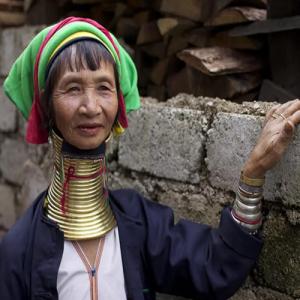
Jewellery means different things in different cultures. In some places, it represents wealth. In others, it symbolizes love, status, or spirituality. For the Padaung women of Myanmar, brass neck coils are far more than decorative accessories—they are a deeply significant part of cultural identity and heritage.
Often referred to as the “long-neck women,” the Padaung tribe has drawn global curiosity because of this unique tradition. While outsiders may focus on appearance, the practice carries much deeper cultural meaning.
How the Tradition Begins
Girls in the Padaung community often begin wearing brass coils at a young age, sometimes as early as five years old.
The first coil is usually lightweight and small. As they grow older, more coils are added over time.
Contrary to popular belief, the neck itself does not actually grow longer. Instead, the weight of the brass pushes down the collarbone and shoulders, creating the appearance of an elongated neck.
This gradual process becomes a visible marker of cultural belonging.
Why Do They Wear Brass Coils?
There are many stories and explanations behind this tradition.
Some believe it began as a symbol of beauty and elegance within the community. A longer-looking neck was considered attractive and graceful.
Others say the coils were used historically for protection against tiger attacks, though this explanation is often debated.
For many women today, the rings primarily represent heritage, pride, and connection to their ancestors.
A Symbol of Cultural Identity
For the Padaung tribe, these brass coils are deeply tied to identity.
Wearing them often reflects respect for tradition and community values.
In a rapidly modernizing world, these practices help preserve cultural uniqueness and remind younger generations of their roots.
For many women, the coils are worn proudly as a representation of who they are.
The Physical Challenges
While the jewellery is culturally meaningful, it can also come with physical challenges.
The coils are heavy and can cause discomfort over time.
Women may need assistance when changing or adjusting them.
The tradition has also sparked conversations about personal choice, especially for younger generations deciding whether they want to continue it.
Tourism and Global Attention
The Padaung women have received global attention through tourism and media coverage.
Many tourists visit villages to see this unique tradition.
While tourism can provide income, it has also raised ethical concerns about cultural exploitation.
It is important for visitors to approach such communities with respect rather than treating traditions as spectacles.
Changing Perspectives
Like many traditions, this practice is evolving.
Some younger women continue wearing the coils proudly, while others choose different paths.
Education, migration, and changing lifestyles have influenced how the tradition is viewed today.
This reflects the balance many communities face between preserving heritage and embracing personal freedom.
Respecting Cultural Differences
It is easy to judge traditions through an outside perspective, but cultural practices often carry deep meaning that may not be immediately visible.
Understanding the history behind these brass coils encourages empathy and respect.
Rather than focusing solely on appearance, it is important to recognize the stories and values behind the tradition.
Final Thoughts
The brass neck rings of Myanmar’s Padaung women are more than unusual jewellery—they are symbols of identity, beauty, and cultural heritage.
They tell a story of tradition passed down through generations and the complex relationship between heritage and modern life.
In a world where trends change quickly, these traditions remind us that jewellery can hold powerful meanings far beyond fashion.
TAGS : the brass neck rings of myanmar,s padaung tribe: jewellery rooted in identity and tradition


