
Skin Health and Safe Sun Exposure: Finding the Right Balance
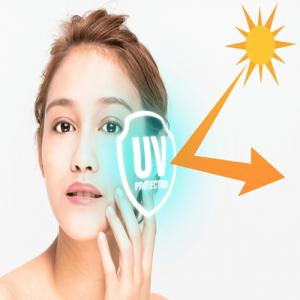
There’s something undeniably uplifting about sunlight. It boosts our mood, helps regulate sleep, and gives us that natural glow we all love. But while sunshine feels good, too much of it can quietly damage our skin over time. The key isn’t avoiding the sun completely — it’s learning how to enjoy it safely.
Let’s talk about how to protect your skin while still soaking up the benefits of sunlight.
Why Sunlight Matters
Sunlight plays an important role in our overall health. When our skin is exposed to the sun, it produces vitamin D — a nutrient essential for bone health, immune function, and mood regulation. Moderate sun exposure can also help maintain a healthy sleep-wake cycle by supporting our circadian rhythm.
However, the same ultraviolet (UV) rays that stimulate vitamin D production can also harm skin cells. Overexposure contributes to premature aging, pigmentation, sunburn, and increases the risk of skin cancer.
The goal isn’t to fear the sun — it’s to respect it.
Understanding UV Rays
The sun emits two main types of UV rays that affect the skin:
• UVA rays penetrate deep into the skin and are primarily responsible for premature aging, wrinkles, and loss of elasticity.
• UVB rays affect the surface layers and are the main cause of sunburn.
Both types contribute to long-term skin damage, even on cloudy days. That’s why sun protection isn’t just a summer habit — it’s a year-round commitment.
How Much Sun Is Safe?
For most people, about 10–20 minutes of sun exposure on the arms and face a few times a week is enough to support healthy vitamin D levels. This varies depending on skin tone, geographic location, and time of year.
People with darker skin tones may need slightly longer exposure to produce adequate vitamin D, while those with very fair skin may burn quickly and need shorter exposure times.
Midday sun (between 10 a.m. and 4 p.m.) tends to be the strongest. If you plan to spend extended time outdoors during these hours, protection becomes essential.
The Importance of Sunscreen
Sunscreen is one of the most effective tools for maintaining skin health. It acts as a protective barrier, reducing the amount of UV radiation that penetrates your skin.
Choose a broad-spectrum sunscreen with SPF 30 or higher. “Broad-spectrum” means it protects against both UVA and UVB rays. Apply it generously to all exposed skin, and don’t forget areas like the ears, neck, hands, and feet.
Reapply every two hours — or sooner if you’re swimming or sweating. Many people under-apply sunscreen, which reduces its effectiveness.
Think of sunscreen as daily skincare, not just beachwear.
Protective Clothing and Smart Habits
Clothing can be just as important as sunscreen. Wide-brimmed hats, sunglasses with UV protection, and lightweight long sleeves provide extra defense.
Seeking shade during peak sun hours also helps minimize direct exposure. Simple habits — like walking on the shaded side of the street or using an umbrella — can significantly reduce UV damage over time.
Hydration matters too. Sun exposure increases fluid loss, and dehydrated skin can appear dull and more prone to irritation. Drinking enough water supports overall skin health from within.
Signs of Sun Damage
It’s important to recognize early warning signs of overexposure:
• Persistent redness or frequent sunburn
• Dark spots or uneven pigmentation
• Fine lines appearing earlier than expected
• Rough or leathery skin texture
If you notice new or changing moles, unusual growths, or sores that don’t heal, consult a healthcare professional. Early detection is crucial when it comes to skin cancer.
A Healthy Glow, Safely
Healthy skin isn’t about avoiding sunlight entirely. It’s about balance. Enjoy your morning walk. Spend time outdoors. Feel the warmth on your skin. Just do it mindfully.
Protecting your skin today prevents premature aging and long-term health risks tomorrow. A little prevention goes a long way — and your future self will thank you for it.
Sunlight is powerful. When respected and managed wisely, it can support both your physical and emotional well-being — without compromising your skin’s health.
TAGS : skin health and safe sun exposure: finding the right balance


