
Bajubandh Tales: The Story Behind the Traditional Upper Arm Ornament
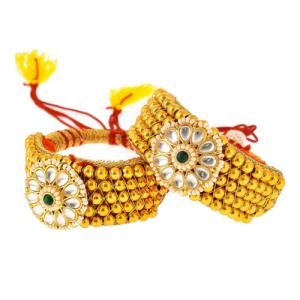
Jewellery in India has always been more than just decoration—it tells stories of culture, identity, and tradition. One such timeless piece is the Bajubandh, an ornament that beautifully wraps around the upper arm and carries centuries of heritage.
From royal courts to modern weddings, the bajubandh has remained a symbol of elegance, strength, and grace.
A Glimpse into History
The origin of the bajubandh dates back to ancient India, where it was worn by both men and women. In royal families, kings and warriors wore it as a mark of power and status, while queens and princesses adorned it as a sign of beauty and sophistication.
Over time, this ornament became an essential part of traditional attire, especially in regions like Rajasthan, Gujarat, and South India. It was often crafted in gold and decorated with precious stones, reflecting the artistry of skilled craftsmen.
Cultural and Symbolic Meaning
The bajubandh is not just an accessory—it carries deep symbolic meaning. It is often associated with strength and protection, especially because it sits on the upper arm, a place linked to power.
In many traditions, it is also believed to bring good luck and ward off negative energy. For brides, wearing a bajubandh is considered auspicious, symbolizing beauty, prosperity, and a connection to cultural roots.
It’s a piece that blends spirituality with style.
A Bridal Essential
In Indian weddings, the bajubandh holds a special place. Brides wear it as part of their traditional jewellery set, complementing their saree or lehenga.
Whether it’s a simple gold design or an elaborate piece with gemstones and intricate patterns, the bajubandh adds a royal touch to the bridal look.
It enhances the overall appearance, drawing attention to the arms and completing the traditional aesthetic.
Designs That Tell Stories
One of the most beautiful aspects of the bajubandh is its variety. Some designs feature floral patterns, while others include motifs inspired by nature, mythology, or temple art.
In South India, temple-style bajubandhs often showcase deities and intricate carvings. In Rajasthan, you’ll find bold and colorful designs with stones and enamel work.
Each design tells a story, reflecting the region’s culture and craftsmanship.
The Modern Comeback
Today, the bajubandh is making a stylish comeback. Designers are reimagining this traditional ornament with contemporary touches, making it suitable for modern outfits.
You’ll now see it paired with sleeveless blouses, fusion wear, and even Indo-western styles. Lightweight versions are becoming popular, making it easier for women to wear them beyond weddings and festivals.
This blend of tradition and modernity is bringing the bajubandh back into everyday fashion.
Styling Tips
If you’re planning to wear a bajubandh, keep a few things in mind:
• Pair it with outfits that highlight your arms, like sleeveless or short-sleeved blouses
• Choose a design that complements your overall jewellery
• Keep it comfortable—it should fit snugly but not too tight
A well-chosen bajubandh can instantly elevate your look.
More Than Just Jewellery
The bajubandh is not just about appearance—it’s about connection. It connects generations, carrying forward traditions that have been cherished for centuries.
Many women inherit bajubandhs from their families, making them even more special. These pieces become heirlooms, filled with memories and stories.
Final Thoughts
The beauty of the bajubandh lies in its timeless appeal. It’s a piece that has evolved with time yet stayed true to its roots.
Whether worn for a wedding, a festival, or as a statement accessory, the bajubandh continues to symbolize elegance, culture, and heritage. In a world of changing trends, it stands as a reminder that some traditions never go out of style—they simply find new ways to shine.
TAGS : bajubandh, bajubandh tales, jewellery


