
Coping with Air Quality Issues and Reducing Allergy Triggers
In today’s fast-paced world, air quality has become a growing concern—especially in urban areas. From dust and pollution to seasonal changes, the air we breathe can have a direct impact on our health. For many people, poor air quality can worsen allergies and even lead to conditions like Allergic rhinitis.
The good news is that with a few simple changes, you can protect yourself and reduce exposure to common triggers.
How Air Quality Affects Your Health
When the air is filled with pollutants like dust, smoke, and pollen, it can irritate your respiratory system. This often leads to symptoms such as sneezing, coughing, watery eyes, and breathing discomfort.
People who already have allergies, asthma, or sinus issues may experience more intense reactions. Long-term exposure can also affect overall lung health.
Common Allergy Triggers
Understanding what triggers your allergies is the first step toward managing them. Some common triggers include:
• Dust mites
• Pollen from trees and plants
• Pet dander
• Mold spores
• Air pollution and smoke
These triggers can be present both indoors and outdoors, making it important to take precautions in your daily environment.
Improving Indoor Air Quality
Since we spend a lot of time indoors, keeping indoor air clean is essential.
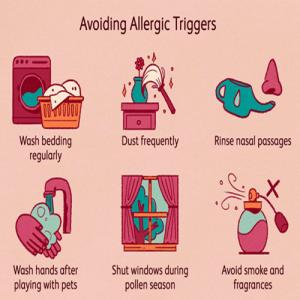
• Keep windows closed during high pollution or pollen days
• Use air purifiers if possible
• Clean and dust your home regularly
• Wash bedding and curtains frequently
• Avoid smoking indoors
Maintaining a clean living space helps reduce the buildup of allergens.
Protecting Yourself Outdoors
While you can control your indoor environment, outdoor exposure requires a bit more planning.
• Check air quality levels before stepping out
• Avoid outdoor activities during peak pollution hours
• Wear a mask to reduce inhalation of dust and pollutants
• Take a shower after coming home to remove allergens
These small habits can significantly reduce your exposure.
Strengthening Your Immunity
A strong immune system can help your body respond better to allergens.
• Eat a balanced diet rich in fruits and vegetables
• Stay hydrated
• Exercise regularly
• Get enough sleep
Healthy habits not only improve immunity but also help your body recover faster from allergic reactions.
Managing Symptoms Effectively
If you already experience allergies, managing symptoms is important.
• Use prescribed medications or antihistamines when needed
• Practice steam inhalation to relieve congestion
• Stay hydrated to keep your respiratory system clear
If symptoms persist or worsen, it’s always best to consult a healthcare professional.
Creating an Allergy-Friendly Routine
Consistency is key when dealing with air quality issues. Create a routine that includes cleaning, monitoring air quality, and taking preventive steps daily.
Over time, these habits become part of your lifestyle and help reduce the impact of allergens.
Final Thoughts
Air quality may not always be in our control, but how we respond to it is. By understanding your triggers and making small lifestyle changes, you can protect your health and breathe easier.
Taking care of your environment, your body, and your daily habits can go a long way in reducing allergy symptoms. With awareness and a little effort, you can create a healthier, more comfortable space for yourself—no matter what the air outside looks like.
TAGS : coping with air quality issues and reducing allergy triggers


