
Sharing Responsibilities: Balancing Household Chores and Emotional Labour
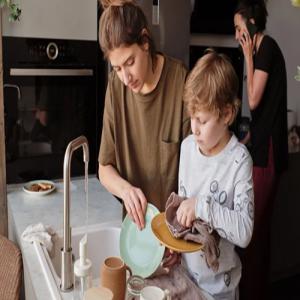
In any relationship, building a happy and peaceful home is a shared effort. While many couples focus on dividing visible tasks like cooking, cleaning, or paying bills, there is another side that often goes unnoticed—emotional labour. Balancing both physical chores and emotional responsibilities is essential for a healthy and equal partnership.
Understanding this balance can make everyday life smoother and relationships stronger.
What Are Household Chores and Emotional Labour
Household chores are the visible tasks that keep a home running. These include cooking meals, washing dishes, doing laundry, and managing finances. These tasks are easy to identify and measure.
Emotional labour, on the other hand, is less visible. It involves planning, remembering, organising, and taking care of the emotional well-being of the household. It could be remembering birthdays, planning family events, checking in on each other, or managing conflicts.
Often, one partner ends up handling more emotional responsibilities without even realising it.
Why Balance Matters
When responsibilities are not shared fairly, it can lead to stress and resentment. One partner may feel overwhelmed, while the other may not fully understand the pressure.
A balanced approach helps both partners feel valued and respected. It creates a sense of teamwork where both individuals contribute in their own ways.
When both chores and emotional labour are shared, the relationship becomes more supportive and less stressful.
Communicate Openly
The first step towards balance is communication. Talk about responsibilities openly and honestly.
Instead of assuming who should do what, discuss your expectations. Share how you feel about your current workload and listen to your partner’s perspective as well.
Clear communication helps avoid misunderstandings and builds mutual understanding.
Divide Tasks Based on Strengths
Every individual has different strengths and preferences. Some may enjoy cooking, while others may prefer organising or managing finances.
Instead of dividing tasks equally, try dividing them fairly. Assign responsibilities based on what each person is comfortable doing. This makes the process smoother and more efficient.
At the same time, be flexible and ready to help each other when needed.
Acknowledge Emotional Labour
One of the most important steps is recognising emotional labour. It is easy to overlook because it does not always feel like “work.”
Simple acts like checking in on your partner, remembering important dates, or managing family expectations require effort. Acknowledging this effort makes a big difference.
When both partners become aware of emotional responsibilities, it becomes easier to share them.
Create Small Systems
Creating simple routines can reduce the mental load. For example, setting reminders for important dates, planning weekly meals together, or sharing a to-do list can make tasks more manageable.
These systems reduce the pressure on one person to remember everything and make responsibilities more visible.
Be Supportive, Not Perfect
Balancing responsibilities does not mean everything has to be perfectly equal every day. Some days, one partner may do more, and on other days, the roles may reverse.
What matters is the willingness to support each other. Being understanding and flexible helps maintain harmony in the relationship.
Final Thoughts
Sharing responsibilities is not just about dividing chores. It is about building a partnership where both individuals feel supported, heard, and valued.
When household tasks and emotional labour are balanced, it creates a positive environment at home. It reduces stress, improves communication, and strengthens the bond between partners.
At the end of the day, a happy home is not built by one person alone. It is created together, through small efforts, mutual respect, and shared understanding.
TAGS : sharing responsibilities: balancing household chores and emotional labour


