
Nutrition–Mood Connection: Foods That Fight Depression
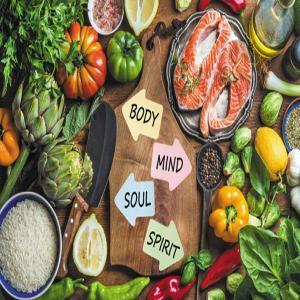
What we eat doesn’t just affect our body—it deeply influences how we feel emotionally. In recent years, the connection between nutrition and mental health has become clearer, especially when it comes to depression. While food alone cannot replace therapy or medical care, the right nutrients can support brain health, stabilize mood, and help reduce feelings of low energy and sadness. Understanding this connection empowers us to make everyday choices that gently support emotional well-being.
Depression often shows up as fatigue, loss of interest, irritability, or mental fog. Nutrition plays a role in all these areas by affecting brain chemistry, inflammation, and gut health.
How Food Impacts the Brain
The brain relies on a steady supply of nutrients to produce mood-regulating chemicals like serotonin and dopamine. Poor nutrition can disrupt this balance, leading to emotional lows. On the other hand, nourishing foods help reduce inflammation, support nerve function, and improve communication between brain cells.
The gut and brain are closely connected. A healthy digestive system supports better absorption of nutrients and plays a role in emotional regulation. This is why diet is often called the foundation of mental health.
Complex Carbohydrates for Emotional Stability
Carbohydrates are often misunderstood, but the right kind can be powerful mood supporters. Whole grains, oats, brown rice, and millets help maintain steady blood sugar levels. Stable blood sugar prevents sudden energy crashes that can worsen anxiety and irritability.
These foods also help the body use tryptophan, an amino acid involved in serotonin production. Including complex carbs regularly can promote calmness and emotional balance.
Omega-3 Fats for Brain Health
Healthy fats are essential for the brain. Omega-3 fatty acids help reduce inflammation and support brain cell structure. Fatty fish, flaxseeds, walnuts, and chia seeds are excellent sources.
People who consume adequate omega-3s often report better focus and more stable moods. These fats support communication between brain cells, which is crucial for emotional resilience.
Protein and Amino Acids for Motivation
Proteins provide amino acids that are building blocks for neurotransmitters. Foods like eggs, lentils, dairy, tofu, and lean meats support dopamine and serotonin production.
Low protein intake can lead to fatigue, low motivation, and mood swings. Balanced meals with sufficient protein help maintain energy and emotional strength throughout the day.
Fermented Foods and Gut Health
The gut produces a significant portion of the body’s serotonin. Fermented foods like yogurt, curd, and traditional fermented dishes support healthy gut bacteria.
A healthy gut environment improves nutrient absorption and reduces inflammation, both of which play a role in mental well-being. Regularly including probiotic-rich foods can positively influence mood over time.
Vitamins and Minerals That Matter
Certain micronutrients are especially important for emotional health. Vitamin B complex supports nerve function and energy levels. Iron helps prevent fatigue and brain fog. Magnesium supports relaxation and better sleep, which are essential for mood stability.
Leafy greens, nuts, seeds, fruits, and legumes are rich in these nutrients. Deficiencies can quietly contribute to low mood and exhaustion.
Dark Chocolate and Natural Mood Boosters
Some foods offer emotional comfort along with nutrition. Dark chocolate contains compounds that support pleasure and relaxation when consumed in moderation. Fruits like bananas and berries provide antioxidants that protect brain cells from stress.
These small additions can lift mood naturally without causing energy crashes.
Building a Mood-Friendly Plate
A depression-supportive diet focuses on balance rather than restriction. Regular meals, hydration, and variety are key. Skipping meals or relying on highly processed foods can worsen emotional fluctuations.
Simple habits like eating home-cooked meals, reducing excessive sugar, and listening to hunger cues can make a noticeable difference over time.
Final Thoughts
The nutrition–mood connection reminds us that healing is holistic. While depression is complex and deeply personal, food can be a gentle ally in the journey toward better mental health. Choosing nourishing meals is not about perfection—it’s about care.
By feeding the body with intention and kindness, we also nourish the mind. Small, consistent changes can build emotional resilience, one meal at a time.
TAGS : nutrition–mood connection: foods that fight depression, , depression, omega-3 fats for brain health, complex carbohydrates for emotional stability, protein and amino acids for motivation, fermented foods and gut health


