
Metal Education: Understanding Rose Gold, White Gold, Yellow Gold, and Sterling Silver
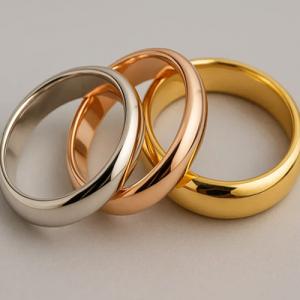
When buying jewelry, most of us focus on the design first — the sparkle, the shape, the way it looks on our skin. But the metal underneath that beauty matters just as much. The type of metal affects durability, maintenance, price, and even how the piece complements your personal style.
If you’ve ever wondered about the difference between rose gold, white gold, yellow gold, and sterling silver, here’s a simple, human guide to help you understand what sets them apart.
Yellow Gold: The Timeless Classic
Yellow gold is the most traditional form of gold used in jewelry. It’s the color most people naturally associate with gold — warm, rich, and luxurious.
Pure gold (24 karat) is naturally yellow, but it’s too soft for everyday jewelry. Sojewelers mix it with alloy metals like copper and zinc to increase strength. That’s why you’ll often see 22K, 18K, or 14K gold — the lower the karat, the more alloy metals mixed in, making it more durable.
Yellow gold has a vintage charm and looks especially beautiful on warm skin tones. It’s also relatively low maintenance compared to white gold because it doesn’t require plating. Over time, it may develop slight scratches, but it won’t fade in color.
If you love classic elegance and heirloom-style jewelry, yellow gold is a beautiful choice.
White Gold: Modern and Elegant
White gold has a sleek, silvery appearance that many people mistake for platinum. It’s created by mixing pure gold with white metals like nickel, palladium, or silver to tone down the yellow color.
However, white gold isn’t naturally bright white. To achieve its shiny finish, it’s coated with rhodium — a strong, reflective metal. This plating enhances its brilliance and gives it that polished, modern look.
Over time, rhodium plating can wear off, especially on rings worn daily. When that happens, the piece may look slightly yellowish and will need replating to restore its bright white shine.
White gold pairs beautifully with diamonds and offers a contemporary feel. It’s a popular choice for engagement rings because it enhances sparkle without overpowering the stone.
Rose Gold: Romantic and Trendy
Rose gold has become incredibly popular in recent years, and it’s easy to see why. Its soft pink hue feels romantic, feminine, and slightly vintage.
The rosy color comes from mixing pure gold with copper. The higher the copper content, the deeper the pink tone. Because copper is a strong metal, rose gold tends to be quite durable.
Unlike white gold, rose gold doesn’t require rhodium plating, so its color won’t fade over time. It’s also flattering on almost all skin tones, adding warmth and softness.
If you love something unique yet subtle, rose gold offers a refreshing twist on traditional gold jewelry.
Sterling Silver: Affordable and Versatile
Sterling silver is not gold — it’s a completely different metal. It’s made of 92.5% pure silver mixed with 7.5% other metals (usually copper) to improve durability. That’s why you often see jewelry stamped with “925.”
Silver has a bright, cool-toned shine and is generally more affordable than gold. It’s widely used in everyday jewelry and fashion pieces.
However, sterling silver is more prone to tarnishing. Exposure to air and moisture can cause it to darken over time. The good news? Tarnish is easy to clean with proper care and polishing.
If you’re looking for stylish, budget-friendly jewelry or trendy pieces you can rotate often, sterling silver is a great option.
So, Which One Should You Choose?
The right metal depends on your lifestyle, budget, and aesthetic preferences.
• Choose yellow gold if you love timeless elegance and minimal maintenance.
• Choose white gold if you prefer modern sophistication and bright shine.
• Choose rose gold if you want warmth, romance, and something a little different.
• Choose sterling silver if you’re looking for affordability and versatility.
Ultimately, there’s no “best” metal — only what feels best for you. Understanding these differences helps you make smarter, more confident jewelry choices that suit both your style and your everyday life.
Because in the end, beautiful jewelry isn’t just about how it looks — it’s about how it lasts and how it makes you feel every time you wear it.
TAGS : metal education: understanding rose gold, white gold, yellow gold, and sterling silver


