
Hidden Sugars: How to Identify and Reduce Processed Sugar Intake
When we think about sugar, we often picture sweets like chocolates, cakes, or desserts. But the truth is, sugar hides in many everyday foods—even the ones that seem “healthy.” From breakfast cereals to packaged sauces, hidden sugars can quietly increase your daily intake without you realizing it.
Understanding where sugar hides and how it affects your body is the first step toward building healthier habits and preventing issues like Type 2 Diabetes and weight gain.
What Are Hidden Sugars?
Hidden sugars are added sugars that are not always obvious. They are often included in processed foods to improve taste, texture, or shelf life.
For example, foods like flavored yogurt, energy bars, fruit juices, and even bread may contain added sugar. While they may not taste overly sweet, they can still contribute significantly to your daily sugar intake.
Common Names for Sugar on Labels
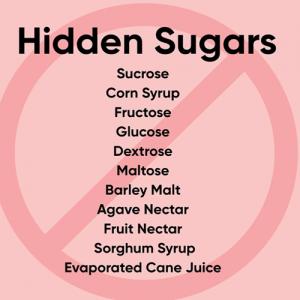
One of the biggest challenges is that sugar doesn’t always appear as “sugar” on ingredient lists. Food manufacturers use different names, making it harder to identify.
Look out for terms like:
• High fructose corn syrup
• Sucrose
• Glucose
• Maltose
• Dextrose
• Cane juice or syrup
If you see multiple types of sugar listed, it usually means the product is high in added sugar.
Everyday Foods That Contain Hidden Sugar
You might be surprised to know that many regular foods contain hidden sugars. Some common examples include:
• Breakfast cereals
• Packaged fruit juices
• Flavored yogurt
• Tomato ketchup and sauces
• Bread and baked goods
Even foods labeled as “low-fat” or “diet” may contain extra sugar to compensate for reduced fat.
Why Too Much Sugar is Harmful
Excess sugar consumption can affect your health in several ways. It can lead to energy spikes followed by crashes, making you feel tired and hungry again.
Over time, high sugar intake is linked to health problems like obesity, heart disease, and Insulin resistance.
It can also impact dental health and increase cravings, creating a cycle that’s hard to break.
How to Reduce Processed Sugar Intake
Reducing sugar doesn’t mean eliminating all sweetness from your life. It’s about making smarter choices.
1. Read Food Labels Carefully
Always check the ingredient list and nutrition label before buying packaged foods. Choose products with little or no added sugar.
2. Choose Whole Foods
Fresh fruits, vegetables, whole grains, and natural proteins are the best options. These foods provide natural sugars along with fiber, which helps slow down sugar absorption.
3. Cut Back on Sugary Drinks
Soft drinks, packaged juices, and energy drinks are major sources of hidden sugar. Replace them with water, coconut water, or homemade fresh juices without added sugar.
4. Cook More at Home
Preparing meals at home gives you better control over what goes into your food. You can adjust sweetness and avoid unnecessary additives.
5. Reduce Gradually
Instead of cutting sugar completely at once, reduce it slowly. This helps your taste buds adjust over time and makes the change more sustainable.
6. Use Natural Alternatives
If you crave something sweet, choose natural options like fruits or small amounts of honey or jaggery.
Building Healthier Habits
Reducing sugar is not just about avoiding certain foods—it’s about building awareness and making mindful choices. Over time, your body adapts, and you start enjoying natural flavors more.
Small steps, like skipping sugary drinks or choosing unsweetened snacks, can lead to big improvements in your health.
Final Thoughts
Hidden sugars are everywhere, but once you learn to spot them, you gain control over your diet. By reading labels, choosing whole foods, and reducing processed items, you can lower your sugar intake without feeling restricted.
A balanced approach to sugar helps improve energy levels, supports overall health, and reduces the risk of long-term diseases. The key is not perfection, but consistency in making better choices every day.
TAGS : hidden sugars: how to identify and reduce processed sugar intake


