
How to Argue Fairly Conflict Resolution Skills for Couples
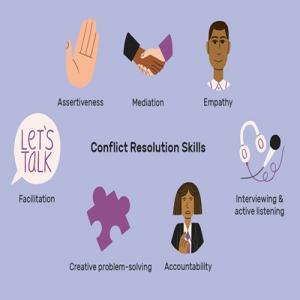
Every relationship experiences disagreements. In fact, conflict is a natural part of any close connection. What truly matters is not whether couples argue, but how they argue. Healthy conflict can actually strengthen a relationship when handled with respect and understanding, while unhealthy patterns can slowly damage trust.
Learning how to argue fairly is an essential skill for building a strong and lasting Healthy relationship.
Why Arguments Happen
Arguments often arise from unmet needs, miscommunication, or differences in values and expectations. Topics like finances, responsibilities, or time spent together can easily turn into disagreements.
The goal of a healthy argument is not to “win” but to understand each other better and find a solution that works for both partners.
Focus on the Issue, Not the Person
One of the most important rules of fair arguing is to separate the problem from the person. Avoid personal attacks or blaming language.
Instead of saying “You never listen to me,” try saying “I feel unheard when I’m interrupted.” This shifts the conversation from accusation to expression.
Using “I” statements helps reduce defensiveness and keeps the discussion constructive.
Listen to Understand, Not to Respond
During arguments, many people focus on what they want to say next instead of truly listening. Active listening is a powerful skill that can transform conflicts.
Give your partner space to speak, and try to understand their perspective—even if you don’t agree. Sometimes, feeling heard is more important than being right.
Simple gestures like nodding or repeating what your partner said can show that you are engaged.
Avoid Bringing Up the Past
It can be tempting to bring up old mistakes during an argument, but this often makes the situation worse. Staying focused on the current issue keeps the conversation productive.
Dragging past conflicts into the discussion can create resentment and make it harder to resolve the present problem.
Take Breaks When Needed
If emotions start running high, it’s okay to pause the conversation. Taking a short break can help both partners calm down and think more clearly.
However, it’s important to come back and finish the discussion instead of avoiding it completely. Avoidance can lead to unresolved issues piling up over time.
Respect Boundaries and Tone
How something is said can matter more than what is said. Speaking calmly and respectfully helps prevent escalation.
Avoid shouting, sarcasm, or hurtful words. Even during disagreements, maintaining respect is key to protecting the relationship.
Setting boundaries—such as no name-calling or interrupting—can create a safer space for communication.
Work Toward a Solution Together
Arguments should lead to solutions, not just emotional release. Once both sides have been heard, focus on finding a compromise.
Ask questions like, “What can we do differently next time?” or “How can we solve this together?” This shifts the mindset from conflict to teamwork.
Apologize and Forgive
Apologies are an important part of resolving conflict. A sincere apology goes beyond just saying “sorry”—it shows understanding of how your actions affected your partner.
Equally important is forgiveness. Holding onto resentment can damage the relationship over time. Letting go allows both partners to move forward.
Build Healthy Communication Habits
Fair arguments are easier when communication is strong even outside of conflicts. Regularly checking in with each other, expressing appreciation, and discussing concerns early can prevent issues from escalating.
Healthy communication creates a foundation of trust and emotional safety.
Final Thoughts
Arguing is not a sign of a failing relationship—it’s an opportunity to grow and understand each other better. When handled with care, respect, and patience, conflicts can bring couples closer rather than push them apart.
By focusing on understanding instead of winning, listening instead of reacting, and solving instead of blaming, couples can build a relationship that is not only strong but also deeply supportive and loving.
TAGS : how to argue fairly conflict resolution skills for couples


