
Fibula: The Ancient Brooch That Combined Fashion, Function, and History
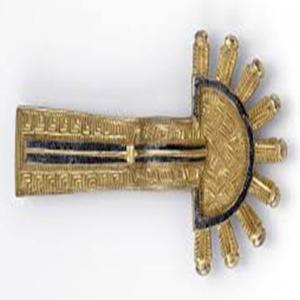
Long before zippers, buttons, and safety pins existed, people relied on beautifully crafted metal fasteners to hold their clothing together. One of the most fascinating examples of ancient jewellery with both practical and decorative value is the Fibula. Used across Northern and Mediterranean Europe for centuries, the fibula was much more than a simple clothing accessory. It represented craftsmanship, identity, social status, and evolving fashion trends throughout ancient and medieval history.
At first glance, a fibula may resemble a brooch or large safety pin, but historically it played a much bigger role in everyday life. From Roman soldiers to noblewomen, many people used fibulae to secure cloaks, tunics, dresses, and shawls while also displaying personal style and cultural identity.
Today, historians and jewellery lovers continue admiring fibulae for their artistic beauty and historical importance.
What Exactly Is a Fibula?
A fibula was a metal fastening device used to pin garments together.
It worked similarly to a brooch or clasp and often included a pin mechanism attached to a decorative body.
Fibulae were commonly made using:
Bronze
Iron
Silver
Gold
Sometimes gemstones, enamel, or carvings were added for decoration.
Though practical in purpose, many fibulae became highly artistic and detailed over time.
A Blend of Function and Fashion
One reason fibulae became so popular was their versatility.
Ancient and medieval clothing often consisted of draped fabrics rather than stitched garments. Fibulae helped hold these clothes securely in place.
But people quickly transformed these fasteners into symbols of beauty and personal style.
Some designs were simple for daily wear, while others were elaborate and luxurious for wealthy individuals or ceremonial occasions.
This combination of practicality and elegance makes fibulae especially interesting in jewellery history.
Fibulae Across Different Cultures
Fibulae appeared in many parts of Europe and evolved differently depending on region and era.
The ancient Greeks, Romans, Celts, Vikings, and Germanic tribes all developed unique styles.
Roman fibulae often featured elegant curved shapes and detailed metalwork.
Celtic designs included knot patterns and symbolic motifs.
Viking fibulae were usually larger and more dramatic, often worn with heavy cloaks and layered clothing.
Each design reflected the artistic identity of its culture.
A Symbol of Social Status
Like modern luxury jewellery, fibulae could also represent wealth and rank.
Simple bronze pieces were common among ordinary people.
Gold and silver fibulae decorated with stones or intricate carvings were usually worn by nobility or high-ranking individuals.
Some ceremonial fibulae were so detailed that they became wearable works of art.
Owning finely crafted fibulae often showed social importance and prestige.
The Beauty of Ancient Craftsmanship
One of the most impressive aspects of fibulae is the craftsmanship behind them.
Ancient metalworkers created surprisingly advanced designs using traditional tools and techniques.
Many pieces included:
Animal motifs
Spiral patterns
Religious symbols
Geometric carvings
Enamel inlays
The level of detail in some surviving fibulae still amazes historians today.
Despite being centuries old, many remain beautifully preserved.
Fibulae in Medieval Europe
During medieval times, fibulae continued evolving as clothing styles changed.
Brooch-like versions became common among both men and women.
They were often used to secure heavy cloaks during colder weather.
Decorative brooches slowly began replacing some older fibula forms, but the concept remained similar.
This evolution eventually influenced many modern jewellery fastening designs.
Modern Interest in Fibula Jewellery
Today, fibula-inspired jewellery still appears in historical fashion, museums, reenactments, and artisan jewellery collections.
Vintage-inspired brooches and cloak pins often borrow elements from ancient fibula designs.
Many people appreciate them not only for beauty but also for the connection they create with history and traditional craftsmanship.
Final Thoughts
The fibula is a perfect example of how jewellery has always served both practical and artistic purposes.
What began as a simple garment fastener became an important symbol of fashion, culture, and social identity across ancient Europe.
Even centuries later, fibulae continue reminding us that jewellery is not only about decoration—it is also a reflection of history, creativity, and human expression through time.
TAGS : fibula: the ancient brooch that combined fashion, function, and history


