
Hand-Washing for Kids: A Simple Habit That Keeps Germs Away
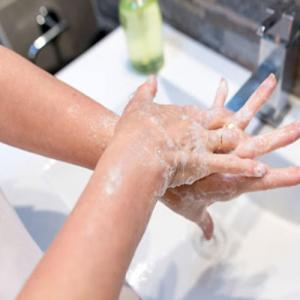
Hand-washing may seem like a very small daily habit, but it is actually one of the most powerful ways to stay healthy. Children touch everything around them—books, toys, desks, pets, door handles, playground equipment, and even their own faces many times a day. Along with all that fun and curiosity, germs can easily travel from surfaces to hands and then into the body.
Teaching children proper hand-washing early helps protect them from common illnesses like colds, stomach infections, flu, and food poisoning. More importantly, it helps them build healthy habits that stay with them for life.
The good news is that hand-washing is simple, quick, and easy to learn when taught in a fun and positive way.
Why Hand-Washing Matters
Germs are tiny organisms that we cannot see with our eyes.
Some germs are harmless, but others can make people sick.
Children often touch their nose, mouth, or eyes without realizing it, which allows germs to enter the body easily.
Dirty hands can spread illnesses from one person to another very quickly, especially at schools, playgrounds, and daycare centers.
Washing hands properly removes dirt, bacteria, and viruses before they can cause infections.
When Kids Should Wash Their Hands
Teaching children when to wash their hands is just as important as teaching how to wash them.
Children should wash their hands:
Before eating meals or snacks
After using the bathroom
After playing outside
After coughing or sneezing
After touching pets or animals
After handling garbage
Before helping in the kitchen
After coming home from school or public places
These moments are important because germs spread most easily during these activities.
How to Wash Hands Properly
Many children quickly rinse their hands for a few seconds and think they are done.
But proper hand-washing takes a little more care.
Here is the correct method:
Wet hands with clean water.
Apply soap.
Rub hands together thoroughly.
Scrub the front, back, fingers, nails, and between fingers.
Continue scrubbing for at least 20 seconds.
Rinse well under water.
Dry hands using a clean towel or tissue.
The 20-second rule is important because quick washing may not remove enough germs.
A fun trick for kids is singing a short song while washing hands to make sure they scrub long enough.
Making Hand-Washing Fun for Children
Children learn habits more easily when the process feels enjoyable instead of forced.
Parents and teachers can make hand-washing fun by:
Using colorful soaps
Playing songs during washing
Using reward charts for younger kids
Teaching through stories or cartoons
Washing hands together as a family habit
Positive encouragement works much better than scolding.
Hand Sanitizer vs Hand-Washing
Hand sanitizers can help when soap and water are unavailable, but regular hand-washing is usually more effective when hands are visibly dirty.
Soap and water physically remove dirt and germs more thoroughly.
Sanitizers should not completely replace proper washing.
Teaching Kids About Germs Without Fear
It is important not to scare children excessively about germs.
The goal is awareness, not anxiety.
Explain in simple words that germs are tiny and can spread sickness, but good hygiene helps keep the body strong and healthy.
This keeps children informed without making them fearful.
Parents Should Lead by Example
Children often copy adult behavior.
When parents consistently wash their own hands properly, children naturally learn the habit more easily.
Simple routines practiced daily become automatic over time.
Final Thoughts
Hand-washing is one of the simplest health habits, yet it protects children in powerful ways.
Teaching kids when and how to wash their hands helps reduce illness, improves hygiene, and builds lifelong healthy routines.
Sometimes the smallest habits create the biggest protection, and clean hands are one of the easiest ways to keep growing minds and bodies healthy.
TAGS : hand-washing for kids: a simple habit that keeps germs away


