
Understanding Single-Gene Disorders: How One Gene Mutation Can Affect Health
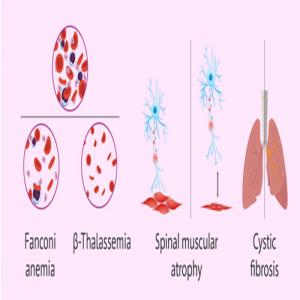
When people hear the word “genetic disorder,” it can sound complicated or frightening. But understanding the basics can make these conditions feel less overwhelming. One important category of genetic conditions is called single-gene disorders, also known as monogenic disorders.
As the name suggests, these conditions happen when a mutation occurs in one specific gene. That single change can affect how the body grows, functions, or produces important proteins.
These disorders can be inherited from parents or sometimes develop due to new mutations.
How Genes Work
Genes act like instruction manuals for your body.
They help determine everything from eye color to how your organs function.
You inherit genes from both parents.
When one gene carries a mutation, it may disrupt normal body processes.
Sometimes the mutation causes mild symptoms.
In other cases, it can lead to serious health complications.
Dominant vs Recessive Inheritance
Single-gene disorders often follow inheritance patterns.
Dominant inheritance:
A child may develop the condition if they inherit one mutated gene from either parent.
Only one copy is needed.
Recessive inheritance:
A child usually needs to inherit two mutated copies—one from each parent—to develop the condition.
Parents may carry the gene without showing symptoms.
X-linked inheritance:
Some conditions are linked to genes on the X chromosome.
These often affect males more severely.
Cystic Fibrosis
Cystic fibrosis is a recessive genetic disorder.
It affects the lungs and digestive system.
The body produces thick mucus that can make breathing difficult and increase infection risk.
Early diagnosis helps improve treatment outcomes.
Sickle Cell Anemia
Sickle cell anemia affects red blood cells.
Instead of being round and flexible, the cells become sickle-shaped.
This can block blood flow and cause pain, fatigue, and complications.
It is commonly inherited in recessive patterns.
Hemophilia
Hemophilia affects blood clotting.
People with hemophilia may bleed longer after injuries.
In severe cases, internal bleeding can occur.
It often follows an X-linked inheritance pattern.
Why Genetic Testing Matters
Family history can provide important clues.
Genetic testing may help identify carriers or diagnose conditions early.
This can help families make informed healthcare decisions.
Prenatal testing may also be discussed in some cases.
Can These Disorders Be Treated?
Treatment depends on the specific condition.
Some disorders require medication.
Others may need lifelong monitoring.
Advances in gene therapy research are creating new possibilities.
While not every condition has a cure, many people manage symptoms successfully.
Emotional Impact on Families
Genetic diagnoses can feel emotionally overwhelming.
Families may experience fear or guilt.
Support groups, doctors, and counselors can help.
Education reduces fear.
Reducing Risk
Not all genetic disorders can be prevented.
However, genetic counseling may help families understand risks before planning children.
Final Thoughts
Single-gene disorders may begin with one tiny genetic mutation, but their impact can be significant.
Understanding inheritance patterns, symptoms, and treatment options helps families feel more prepared.
Knowledge allows people to make informed healthcare decisions and seek support when needed.
TAGS : understanding single-gene disorders: how one gene mutation can affect health


