
Thrift Store Masterclass: How to Find Amazing Fashion Pieces and Designer Gems on a Budget
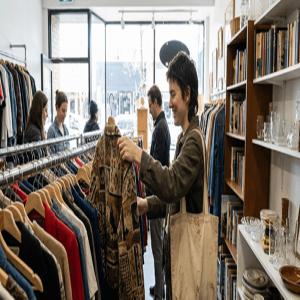
Fashion lovers often dream of owning unique, high-quality
clothing without spending a fortune. The good news is that you do not need a
luxury budget to build a stylish wardrobe. Thrift stores, vintage shops, and
second-hand marketplaces have become treasure troves for fashion enthusiasts
looking for one-of-a-kind finds, timeless pieces, and even designer labels at a
fraction of their original price.
Thrifting is no longer just about saving money. It has
evolved into a smart, sustainable, and exciting way to shop. Whether you are
hunting for vintage denim, luxury handbags, statement jewelry, or designer
clothing, learning how to thrift effectively can completely transform your
wardrobe.
Why Thrifting Has Become So Popular
In recent years, more people have started embracing
second-hand shopping. Part of the appeal comes from the thrill of discovery.
Unlike traditional retail stores where multiple copies of the same item are
available, thrift stores offer unique pieces that may never be found again.
Thrifting is also environmentally friendly. Buying pre-owned
clothing helps reduce textile waste and supports a more sustainable approach to
fashion consumption.
Perhaps most importantly, it allows shoppers to access
quality garments at affordable prices.
Start with a Plan
One of the biggest mistakes beginners make is entering a
thrift store without any idea of what they are looking for.
While spontaneous discoveries are part of the fun, having a
basic shopping plan helps prevent impulse purchases.
Before you visit a store, create a list of items you
genuinely need, such as:
A
classic blazer
High-quality
denim
Leather
shoes
Vintage
jewelry
Structured
handbags
White
button-down shirts
Having a goal makes it easier to stay focused while
browsing.
Learn to Check Fabric and Quality
Experienced thrifters rarely shop based on brand names
alone. Instead, they pay close attention to fabric quality and garment
construction.
Look for natural materials such as:
Cotton
Linen
Wool
Silk
Cashmere
These fabrics often last longer and feel more comfortable
than lower-quality synthetic alternatives.
Check seams, buttons, zippers, and stitching carefully. A
well-made garment can remain stylish and durable for years.
Search Beyond Your Size
Many shoppers only browse racks labeled with their exact
size. However, vintage sizing often differs from modern sizing.
A blazer that appears too large can sometimes be tailored
for a perfect fit. Oversized shirts, jackets, and sweaters can also create
fashionable silhouettes.
Keeping an open mind greatly increases your chances of
finding hidden gems.
How to Spot Designer Items
Finding designer pieces is one of the most exciting aspects
of thrifting.
Here are a few tips:
Check Labels Carefully
Many designer items are overlooked simply because shoppers
do not recognize the label.
Inspect Quality
Luxury brands often use superior fabrics, linings, and
stitching techniques.
Look in Unexpected Sections
Designer garments sometimes end up mixed with ordinary
clothing. Browse every section rather than focusing only on premium racks.
Research Brands
Learning about popular designer labels can help you identify
valuable pieces quickly.
Visit Vintage Shops for Curated Finds
While traditional thrift stores offer lower prices, vintage
shops provide a more curated shopping experience.
Vintage stores often specialize in:
Retro
dresses
Vintage
denim
Classic
leather jackets
Antique
jewelry
Designer
accessories
The prices may be slightly higher, but the selection is
usually carefully chosen and easier to browse.
For shoppers who enjoy fashion history, vintage stores can
be particularly rewarding.
Timing Matters
Regular thrift shoppers know that inventory changes
constantly.
Visiting stores shortly after restocking often provides the
best selection. Some thrift stores even announce restock days, making it easier
to plan your visit.
Patience is essential. You may not find something
extraordinary every time you shop, but consistency often pays off.
Don't Ignore Accessories
Many people focus only on clothing and overlook accessories.
Yet some of the best thrifted finds include:
Scarves
Belts
Watches
Brooches
Sunglasses
Handbags
Jewelry
Accessories can elevate even the simplest outfit and often
provide the best value for money.
Tailoring Can Work Magic
A common misconception is that thrifted clothing must fit
perfectly off the rack.
Simple alterations can dramatically improve a garment.
Shortening sleeves, adjusting hems, or taking in a waistline
can transform an inexpensive second-hand item into something that looks
custom-made.
Think of tailoring as part of your fashion investment.
Final Thoughts
Thrifting is a skill that combines patience, creativity, and
a keen eye for quality. It offers an opportunity to build a unique wardrobe
filled with character, craftsmanship, and personal style without spending a
fortune.
Whether you are searching for vintage treasures, timeless
basics, or unexpected designer finds, the key is to shop thoughtfully and stay
open to possibilities. Every rack holds potential, and every visit offers the
chance to discover something special.
In a world of fast fashion and mass-produced trends,
thrifting reminds us that great style is not about how much you spend. It is about
finding pieces that tell a story, reflect your personality, and make you feel
confident every time you wear them.


