
The Truth About Intermittent Fasting: What It Is, Who It Helps, and Who Should Avoid It
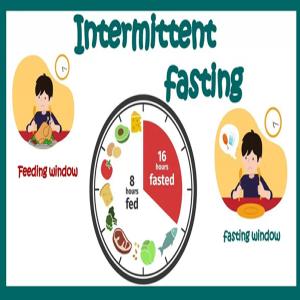
Intermittent fasting has become one of the most talked-about
health trends in recent years. From social media influencers to health experts,
many people praise it for helping with weight management, energy levels, and
overall wellness. At the same time, others find it difficult to follow or
discover that it simply does not suit their lifestyle.
The truth is that intermittent fasting is neither a miracle
solution nor a dangerous fad. Like many nutrition approaches, its effectiveness
depends on the individual. Understanding how it works, its potential benefits,
and its limitations can help you decide whether it is right for you.
What Is Intermittent Fasting?
Intermittent fasting is an eating pattern that focuses on
when you eat rather than what you eat. Instead of restricting specific foods,
it alternates between periods of eating and periods of fasting.
During the fasting window, most people consume only water,
black coffee, plain tea, or other calorie-free beverages. During the eating
window, meals and snacks are consumed as usual.
The goal is to give the body longer breaks between meals,
allowing it to use stored energy more efficiently.
Common Types of Intermittent Fasting
There is no single way to practice intermittent fasting.
Several approaches exist, and different people find success with different
schedules.
12:12 Method
This involves fasting for 12 hours and eating during a
12-hour window.
For example:
Finish
dinner at 8 PM
Eat
breakfast at 8 AM
This is often considered the easiest approach because much
of the fasting period occurs during sleep.
16:8 Method
One of the most popular fasting schedules.
For example:
Eat
between 12 PM and 8 PM
Fast
from 8 PM until noon the next day
Many people find this schedule manageable because it
typically involves skipping breakfast.
18:6 Method
This involves fasting for 18 hours and eating within a
6-hour window.
While some individuals enjoy the simplicity of fewer meals,
it can be more challenging for beginners.
5:2 Method
With this approach, people eat normally for five days of the
week and significantly reduce calorie intake on two non-consecutive days.
This method may appeal to those who prefer flexibility
rather than daily fasting.
Potential Benefits of Intermittent Fasting
Many people choose intermittent fasting because of its
potential health benefits.
Weight Management
By limiting eating hours, some individuals naturally consume
fewer calories, which may support weight loss.
However, success still depends on overall food choices and
portion sizes.
Improved Blood Sugar Regulation
Some studies suggest that intermittent fasting may help
improve insulin sensitivity in certain individuals, allowing the body to use
glucose more effectively.
Simplicity
Many people appreciate the simplicity of having fewer meals
to plan and prepare.
Instead of constantly thinking about food, they follow a
structured eating schedule.
Better Awareness of Hunger
Intermittent fasting can help some people become more
mindful of true hunger signals rather than eating out of habit or boredom.
Who May Benefit from Intermittent Fasting?
Intermittent fasting may work well for:
Healthy
adults looking for a structured eating pattern
Individuals
seeking support for weight management
People
who prefer fewer meals throughout the day
Those
who find traditional calorie counting stressful
Some individuals also report improved focus and productivity
during fasting periods.
Who Should Avoid Intermittent Fasting?
While intermittent fasting can be helpful for some, it is
not suitable for everyone.
It may not be appropriate for:
Pregnant
or breastfeeding women
Children
and teenagers who are still growing
Individuals
with a history of eating disorders
People
with certain medical conditions
Those
taking medications that require regular meals
Individuals
who experience dizziness, weakness, or significant discomfort while
fasting
Anyone with underlying health concerns should consult a
healthcare professional before starting a fasting routine.
Common Mistakes to Avoid
One of the biggest misconceptions about intermittent fasting
is that people can eat anything during the eating window.
Nutrition still matters.
A diet filled with highly processed foods, sugary drinks,
and excessive portions can undermine any potential benefits.
Another mistake is skipping hydration. Drinking enough water
throughout the day remains essential, especially during fasting periods.
Some people also begin with very long fasting windows too
quickly. Starting gradually often leads to better long-term success.
Final Thoughts
Intermittent fasting is a tool, not a magic solution. For
some people, it offers a simple and effective way to structure meals, manage
weight, and develop healthier eating habits. For others, it may feel
restrictive or incompatible with their health needs and lifestyle.
The best approach to nutrition is one that supports your
physical health, fits your daily routine, and can be maintained comfortably
over time. Whether you choose intermittent fasting or not, focusing on balanced
meals, regular physical activity, quality sleep, and proper hydration remains
the foundation of good health.
At the end of the day, sustainable habits matter far more
than any single diet trend.
TAGS : intermittent fasting,fasting


