
The Surprising Link Between Oral Health and Heart Health
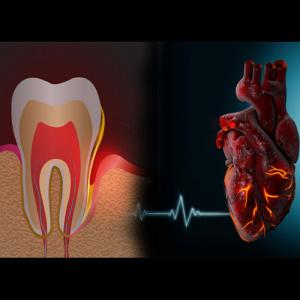
When we think about brushing and flossing, we usually associate it with fresh breath and a bright smile. But did you know that your oral health can also affect your heart? It may sound surprising, but growing research shows a strong connection between the health of your mouth and your cardiovascular system.
Taking care of your teeth and gums isn’t just about appearance—it’s an important part of your overall well-being.
Understanding the Connection
The mouth is home to millions of bacteria. While many are harmless, poor oral hygiene can allow harmful bacteria to grow. These bacteria can lead to gum infections like Gum disease, also known as periodontal disease.
When gums become inflamed or infected, they can bleed easily. This creates a pathway for bacteria to enter the bloodstream and travel to other parts of the body, including the heart.
Over time, this can contribute to inflammation in blood vessels and increase the risk of Heart disease.
How Oral Health Affects the Heart
One of the key factors linking oral health and heart health is inflammation. Chronic inflammation caused by gum disease may play a role in narrowing or hardening of the arteries.
This condition, known as Atherosclerosis, can reduce blood flow and increase the risk of heart attacks or strokes.
In simple terms, an unhealthy mouth can create stress on your cardiovascular system over time.
Warning Signs to Watch For
Your body often gives early signals when something isn’t right. Paying attention to these signs can help you take action early.
Look out for:
• Bleeding gums while brushing or flossing
• Swollen or tender gums
• Persistent bad breath
• Loose teeth or gum recession
These symptoms may seem minor, but they can indicate underlying gum disease that shouldn’t be ignored.
Simple Habits for Better Oral and Heart Health
The good news is that maintaining good oral hygiene is simple and effective. Small daily habits can go a long way in protecting both your mouth and your heart.
1. Brush and Floss Regularly
Brush your teeth at least twice a day and floss daily to remove plaque and food particles.
2. Visit the Dentist
Regular dental checkups help detect and treat problems early before they become serious.
3. Eat a Balanced Diet
Limit sugary foods and include plenty of fruits, vegetables, and whole grains. A healthy diet supports both oral and heart health.
4. Avoid Tobacco
Smoking and tobacco use increase the risk of gum disease and heart problems. Quitting can significantly improve your overall health.
5. Stay Hydrated
Drinking enough water helps wash away food particles and keeps your mouth clean.
A Holistic Approach to Health
The connection between oral health and heart health highlights the importance of treating the body as a whole. What affects one part of your body can often impact another.
Taking care of your teeth and gums is not just about preventing cavities—it’s about reducing inflammation and supporting your overall health.
Final Thoughts
The link between oral health and heart health is a powerful reminder that small habits matter. Something as simple as brushing your teeth can contribute to protecting your heart in the long run.
By maintaining good oral hygiene, staying aware of warning signs, and making healthy lifestyle choices, you can support both your smile and your heart.
A healthy mouth truly is a step toward a healthier life.
TAGS : the surprising link between oral health and heart health


