
The Role of Self-Love: Why You Need to Love Yourself First for a Healthy Partnership
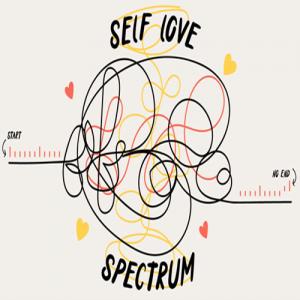
We’ve all heard the line, “You have to love yourself before someone else can love you.” It sounds simple. Maybe even a little cliché. But when you really sit with it, it makes sense in a deeper way.
Self-love isn’t about selfies, spa days, or repeating affirmations in the mirror (though those can be nice). It’s about knowing your worth. It’s about respecting your boundaries. It’s about understanding who you are outside of a relationship.
And that changes everything.
Self-Love Sets the Standard
When you truly value yourself, you don’t settle for less than you deserve. You don’t chase affection that feels inconsistent. You don’t beg for basic respect.
Self-love teaches you that love should feel safe, not confusing. It should feel supportive, not draining.
When you know your own value, you naturally attract partnerships that reflect that. You choose someone who adds to your life — not someone you depend on to complete it.
You Stop Seeking Validation
One of the biggest relationship struggles is relying on your partner to constantly reassure you. “Do you still love me?” “Are you upset?” “Am I enough?”
When self-love is weak, insecurity becomes loud.
But when you genuinely accept yourself — flaws, strengths, quirks and all — you don’t need constant external approval. You can receive love without fear. You can give love without desperation.
A healthy relationship is two whole people choosing each other, not two half-healed people trying to fix each other.
Boundaries Become Clear
Self-love gives you clarity about what you will and will not tolerate.
If something feels disrespectful, you speak up. If something hurts you, you address it calmly. If a pattern repeats and damages your peace, you take action.
Without self-love, boundaries feel scary. With self-love, boundaries feel necessary.
And here’s the truth: the right partner will respect your boundaries. The wrong one will resist them.
You Take Responsibility for Your Happiness
A partner can support your happiness, but they cannot be the sole source of it.
When you love yourself, you maintain your hobbies, friendships, passions, and goals. You don’t abandon your identity just to keep someone close.
Healthy love allows space. It allows individuality. It celebrates growth.
When both partners continue growing as individuals, the relationship grows too.
You Communicate Better
Self-awareness is a big part of self-love.
When you understand your triggers, fears, and emotional patterns, you communicate more honestly. Instead of saying, “You always ignore me,” you can say, “I feel unheard when this happens.”
That shift changes arguments into conversations.
Self-love reduces ego-driven reactions. You don’t fight to win. You talk to understand.
You Love From a Place of Strength, Not Fear
Fear-based love sounds like:
• “I can’t lose them.”
• “I’ll do anything to keep this.”
• “What if no one else loves me?”
Self-love shifts that mindset to:
• “I choose this person.”
• “I deserve mutual respect.”
• “If it doesn’t work, I will still be okay.”
That confidence makes love calmer. Healthier. Less dramatic.
It’s a Journey, Not Perfection
Loving yourself doesn’t mean you never feel insecure or hurt. It means you don’t abandon yourself in those moments.
It means speaking kindly to yourself.
It means forgiving your past mistakes.
It means prioritizing your mental and emotional health.
And it’s okay if you’re still learning how to do that.
Final Thoughts
Self-love isn’t selfish. It’s foundational.
When you respect yourself, you teach others how to treat you. When you understand yourself, you connect more deeply. When you feel secure within, you build partnerships that feel steady and fulfilling.
A healthy relationship is not about losing yourself in someone else. It’s about two individuals who love themselves enough to love each other well.
Start with you. The rest follows naturally.
TAGS : the role of self-love: why you need to love yourself first for a healthy partnership, healthy partnership, self-love


