
The Link Between Nutrition and Mood: How Food Choices Impact Mental Wellness
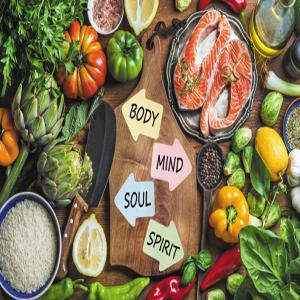
We often hear the phrase “you are what you eat,” but it goes beyond physical health. What you eat also affects how you feel. Your daily food choices can influence your mood, energy levels, and even how you handle stress. Understanding the connection between nutrition and mental wellness can help you make better decisions for both your body and mind.
It is not about following a strict diet, but about building balanced and mindful eating habits.
How Food Affects Your Brain
Your brain needs the right nutrients to function properly. Just like your body, it relies on vitamins, minerals, and healthy fats to stay active and balanced.
Certain nutrients help produce chemicals in the brain that regulate mood. For example, serotonin, often called the “feel-good” chemical, is influenced by what you eat.
When your diet lacks essential nutrients, it can lead to low energy, irritability, and difficulty concentrating.
The Role of Balanced Meals
Eating balanced meals is key to maintaining a stable mood. When you include a mix of carbohydrates, proteins, and healthy fats, your body gets steady energy throughout the day.
Skipping meals or relying on processed foods can cause sudden drops in energy, leading to mood swings or fatigue.
Simple meals with whole grains, vegetables, fruits, and proteins can make a noticeable difference in how you feel.
Foods That Support Mental Wellness
Some foods are especially helpful in supporting a positive mood.
Fruits and vegetables provide vitamins and antioxidants that support brain health
Nuts and seeds contain healthy fats that help improve focus and energy
Whole grains provide steady energy and prevent sudden mood drops
Fermented foods like curd support gut health, which is linked to mental well-being
Adding these foods to your daily routine can help you feel more balanced.
The Gut-Brain Connection
An interesting part of nutrition and mood is the connection between your gut and your brain. Your gut contains millions of bacteria that play a role in digestion and overall health.
A healthy gut can positively influence your mood, while an unhealthy gut may contribute to stress or anxiety.
Eating fibre-rich foods and probiotics can help maintain this balance.
Sugar and Processed Foods
While sugary snacks and processed foods may give a quick energy boost, the effect does not last long. After the initial spike, you may feel tired, irritable, or low.
Regular consumption of such foods can affect your overall mood and energy levels over time.
Reducing sugar intake and choosing healthier alternatives can help maintain emotional balance.
Hydration Matters Too
Water is often overlooked when it comes to mental wellness. Even mild dehydration can affect your mood, concentration, and energy.
Drinking enough water throughout the day helps keep your mind clear and your body functioning well.
It is a simple habit with a big impact.
Mindful Eating and Emotional Health
How you eat is just as important as what you eat. Eating in a calm environment, taking your time, and paying attention to your meals can improve both digestion and mood.
Stress eating or skipping meals due to a busy schedule can negatively affect your mental health.
Being mindful of your eating habits helps you stay connected to your body’s needs.
Final Thoughts
The link between nutrition and mood is real and powerful. Small changes in your daily diet can lead to noticeable improvements in how you feel.
By choosing balanced meals, staying hydrated, and being mindful of your habits, you can support your mental wellness in a natural way.
Taking care of your mind starts with taking care of your body—and it often begins right on your plate.
TAGS : the link between nutrition and mood: how food choices impact mental wellness


