
The Impact of Air Quality on Health: Protecting Your Family During Environmental Hazards
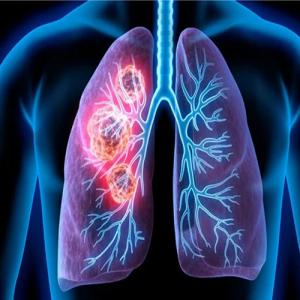
We often think about food, water, and exercise when it comes to staying healthy, but one important factor is sometimes overlooked—air quality. The air you breathe every day has a direct impact on your health, especially when pollution levels rise. Poor air quality can affect anyone, but children, older adults, and those with existing health conditions are more vulnerable.
Understanding how air quality affects your body can help you take simple steps to protect your family.
How Air Quality Affects Health
Air pollution contains harmful particles and gases that can enter your body through breathing. These pollutants can irritate your lungs, affect your heart, and weaken your immune system over time.
Short-term exposure can lead to symptoms like coughing, throat irritation, and difficulty breathing. Long-term exposure can increase the risk of serious conditions such as Asthma, Bronchitis, and even heart-related problems.
In highly polluted environments, even healthy individuals may feel tired or experience headaches.
Common Sources of Poor Air Quality
Air pollution can come from many everyday sources.
Vehicle emissions are a major contributor, especially in crowded cities
Industrial activities release harmful gases into the air
Burning waste or firewood adds smoke and toxic particles
Dust and construction work can increase airborne pollutants
Indoor air can also be affected by cooking fumes, cleaning products, and poor ventilation.
Who Is Most at Risk
While air pollution affects everyone, certain groups are more sensitive.
Children, because their lungs are still developing
Elderly individuals with weaker immunity
People with respiratory conditions like asthma
Pregnant women
For these groups, even moderate pollution levels can cause discomfort or health issues.
Signs You Should Not Ignore
It is important to pay attention to how your body reacts to poor air quality.
Frequent coughing or sneezing
Shortness of breath
Eye irritation or redness
Headaches or fatigue
If these symptoms occur regularly, it may be a sign that air quality is affecting your health.
Simple Ways to Protect Your Family
You do not always have control over outdoor pollution, but you can take steps to reduce its impact.
Check daily air quality levels before planning outdoor activities
Avoid going out during peak pollution hours
Keep windows closed when pollution is high
Use air purifiers indoors if possible
Wear masks when stepping out in polluted areas
These small changes can help reduce exposure.
Improving Indoor Air Quality
Indoor air matters just as much as outdoor air.
Keep your home well-ventilated when air quality is good
Use natural cleaning products when possible
Avoid smoking indoors
Add indoor plants that help purify the air
A clean and fresh indoor environment supports better health.
Building Long-Term Awareness
Protecting your family is not just about daily habits—it is also about awareness. Staying informed about environmental conditions and making conscious choices can create a healthier lifestyle.
Encouraging community efforts like reducing waste burning and supporting clean energy can also make a difference over time.
Final Thoughts
Air quality is an invisible but powerful factor that affects your health every day. While you may not always control the environment around you, you can take steps to protect yourself and your loved ones.
By staying aware, making small adjustments, and prioritising clean air, you can reduce health risks and create a safer environment for your family. After all, good health begins with every breath you take.
TAGS : the impact of air quality on health: protecting your family during environmental hazards


