
The History of Chabi Gucha: From Utility to a Symbol of Tradition and Status
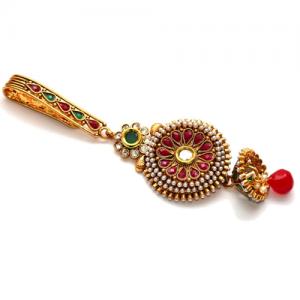
In the rich world of Indian jewellery and accessories, some pieces carry stories that go far beyond beauty. One such fascinating item is the Chabi Gucha. At first glance, it may seem like a simple key holder, but its journey from a functional object to a cultural symbol is truly remarkable.
Today, the chabigucha stands as a beautiful blend of practicality, tradition, and status—especially in many Indian households.
What is a Chabi Gucha?
Traditionally, a chabigucha refers to a bunch of keys attached to a decorative holder or chain, often worn around the waist or tucked into a saree. In earlier times, it was commonly carried by women of the household, especially the lady of the house.
But this was not just about carrying keys—it was about holding responsibility.
A Symbol of Authority and Responsibility
In traditional Indian families, the keys represented control over the household—storerooms, lockers, and valuable possessions. The woman who held the chabigucha was often the one managing the home’s resources.
Carrying this accessory symbolized trust, authority, and responsibility. It was a visible sign that she played a central role in the household’s functioning.
Over time, this simple object became a mark of respect and importance within the family structure.
From Utility to Ornament
As craftsmanship evolved, the chabigucha transformed from a plain bunch of keys into a decorative accessory. Artisans began designing ornate holders made of silver or gold, often adorned with intricate carvings, bells, and traditional motifs.
In regions like Rajasthan and Gujarat, these were not just practical items but also part of a woman’s traditional attire. They added a unique charm to sarees and lehengas, enhancing the overall look.
What started as a necessity slowly became a statement piece.
Cultural and Emotional Value
Beyond its physical form, the chabigucha holds deep emotional value. It represents a time when households were run with a strong sense of structure and responsibility.
For many women, receiving the chabigucha—especially after marriage—was symbolic. It marked their new role in managing the home and becoming an integral part of the family.
Even today, it is remembered as a symbol of trust and belonging.
The Modern Revival
In today’s world, where lifestyles have changed, the original purpose of the chabigucha may not be as relevant. However, its cultural significance continues to inspire designers.
Modern versions of the chabigucha are now seen as fashion accessories. They are styled as waist ornaments or paired with ethnic outfits for a vintage touch.
Fashion enthusiasts are rediscovering its charm, giving this traditional piece a fresh identity.
TAGS : the history of chabi gucha: from utility to a symbol of tradition and status, chabi gucha, indian jewellery


