
Sourdough Revival: Artisan Bread Recipes and Techniques
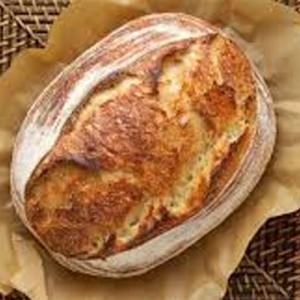
In recent years, sourdough bread has made a beautiful comeback in home kitchens and artisan bakeries alike. Once considered old-fashioned, this naturally fermented bread is now celebrated for its deep flavor, rustic texture, and wholesome appeal. The sourdough revival is not just about baking bread; it’s about slowing down, connecting with traditional techniques, and enjoying the simple joy of creating something nourishing from scratch.
At the heart of sourdough is the starter—a living mixture of flour and water that captures wild yeast and beneficial bacteria from the environment. Unlike commercial yeast, a sourdough starter ferments slowly, giving the bread its signature tangy taste and chewy crumb. Caring for a starter requires patience, but it also creates a special bond between the baker and the bread.
Understanding the Sourdough Starter
A healthy starter is bubbly, active, and slightly tangy in aroma. Feeding it regularly with fresh flour and water keeps it alive and strong. Temperature, flour type, and feeding schedule all influence how your starter behaves. Warmer environments encourage faster fermentation, while cooler temperatures slow it down, allowing flavors to develop more deeply.
Once your starter is ready, it becomes the foundation for countless artisan bread recipes. Each loaf reflects small variations in technique, making every bake unique.
Classic Artisan Sourdough Bread
The most beloved sourdough recipe is the classic round loaf with a crisp crust and airy interior. The process begins by mixing flour, water, starter, and salt into a shaggy dough. After resting, the dough is gently stretched and folded to build gluten structure without aggressive kneading.
Bulk fermentation is where the magic happens. During this stage, the dough slowly rises, developing flavor and strength. Patience is key here. Rushing fermentation often leads to dense bread, while allowing enough time creates a light, open crumb.
Shaping the dough is both an art and a skill. Gentle handling preserves air pockets, while proper tension helps the loaf hold its shape. The final rise often takes place in a basket or bowl, giving the bread its rustic form.
Baking Techniques for Perfect Results
High heat is essential for sourdough baking. A hot oven helps the loaf rise dramatically during the first few minutes, a process known as oven spring. Steam also plays a crucial role, allowing the crust to expand before it sets. Many home bakers use covered pots or trays of water to create steam during baking.
Scoring the dough before baking allows controlled expansion and adds a decorative touch. Each baker develops their own signature patterns over time.
Exploring Flavor Variations
One of the joys of the sourdough revival is experimentation. Whole wheat, rye, and spelt flours add depth and nutrition. Seeds, olives, dried fruits, and herbs can be folded into the dough to create unique flavor combinations. Even slight changes in hydration or fermentation time can produce noticeably different results.
Sourdough isn’t limited to bread loaves either. The same starter can be used to make pancakes, pizza bases, crackers, and even sweet bakes. This versatility makes sourdough a valuable companion in any kitchen.
Why Sourdough Matters Today
Beyond taste, sourdough offers practical benefits. Natural fermentation can make bread easier to digest and enhance mineral absorption. In a fast-paced world, sourdough baking invites us to slow down, plan ahead, and appreciate the process as much as the result.
Final Thoughts
The sourdough revival is more than a trend—it’s a return to mindful baking and traditional craftsmanship. With patience, practice, and curiosity, anyone can create beautiful artisan bread at home. Each loaf tells a story of time, care, and creativity, making sourdough baking a deeply rewarding experience for both beginners and seasoned bakers.
TAGS : sourdough revival: artisan bread recipes and techniques


