
Sleep Hygiene: Small Changes for Better Rest
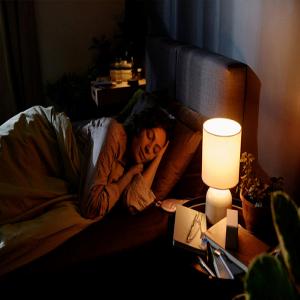
A good night's sleep is essential for maintaining physical health, emotional balance, and overall well-being. Yet, with busy schedules, long working hours, screen time, and everyday stress, getting enough quality sleep has become difficult for many people. Even when we spend several hours in bed, we may wake up feeling tired or struggle to fall asleep at night. This is where sleep hygiene becomes important. Sleep hygiene refers to the daily habits and environmental conditions that support healthy, restful sleep. Making a few simple changes to your routine can improve your sleep quality and help you feel more refreshed throughout the day. 1. Follow a Consistent Sleep Schedule One of the most effective ways to improve sleep is to maintain regular sleeping and waking times. Going to bed and waking up at different times every day can disturb your body's natural sleep-wake cycle. Try to follow a consistent schedule, including weekends. Choose a bedtime that allows you to get around seven to nine hours of sleep if you are an adult. Over time, your body may become accustomed to this routine, making it easier to fall asleep naturally. 2. Reduce Screen Time Before Bed Scrolling through social media, watching videos, or replying to work messages late at night can keep your mind active when it should be preparing for rest. The light from electronic screens may also interfere with the body's natural production of melatonin, a hormone that helps regulate sleep. Try putting your phone, laptop, and television aside at least 30 to 60 minutes before bedtime. Replace screen time with relaxing activities such as reading a book, listening to calm music, or practising gentle breathing exercises. 3. Create a Comfortable Sleeping Environment Your bedroom plays an important role in determining how well you sleep. A comfortable, quiet, and dark environment can make it easier to relax. Consider using comfortable pillows and bedding, reducing unnecessary noise, and keeping the room at a pleasant temperature. Blackout curtains or an eye mask may help if outside light disturbs your sleep. Keep your bedroom primarily associated with rest rather than work or stressful activities. 4. Be Mindful of Food and Drinks What you consume in the evening can influence your sleep. Heavy meals, spicy foods, and excessive fluids close to bedtime may cause discomfort or frequent trips to the bathroom. Caffeine found in coffee, tea, energy drinks, and certain soft drinks can also affect sleep, particularly when consumed later in the day. Try limiting caffeine in the afternoon and evening. If you feel hungry before bedtime, choose a light snack rather than a heavy meal. 5. Include Physical Activity in Your Daily Routine Regular physical activity can support better sleep by helping regulate your body's natural rhythms and reducing stress. Activities such as walking, cycling, swimming, or yoga can be beneficial. You do not need an intense workout every day. Even a 20 to 30-minute walk can be a good starting point. However, avoid vigorous exercise immediately before bedtime if it makes you feel more alert. Give your body enough time to relax after exercising. 6. Manage Stress Before Sleeping An active mind is one of the common reasons people struggle to fall asleep. Work deadlines, financial concerns, and personal responsibilities can keep thoughts running long after bedtime. Try developing a calming nighttime routine. Writing down your thoughts, planning the next day's tasks, meditating, or taking a warm bath may help you unwind. If something is bothering you, give yourself time to process it instead of carrying the stress directly into bed. 7. Avoid Long Daytime Naps Short naps can help improve alertness, especially after a tiring morning. However, long or late-afternoon naps may make it harder to fall asleep at night. If you need a nap, try keeping it around 20 minutes and avoid sleeping too late in the day. When Should You Seek Help? Occasional sleep disturbances are common. However, persistent difficulty falling asleep, frequent waking, loud snoring, or feeling excessively tired during the day may indicate an underlying sleep problem. If these issues continue, consult a healthcare professional. Final Thoughts Better sleep does not always require major lifestyle changes. Maintaining a consistent schedule, reducing screen time, eating mindfully, staying active, and creating a peaceful bedroom can make a meaningful difference. Sleep hygiene is about building habits that support your body's natural need for rest. Start with a few manageable changes and follow them consistently. With time, these small steps can help you enjoy more refreshing nights and healthier days.
TAGS : sleep hygiene tips, how to improve sleep quality, healthy sleep habits, tips for better sleep at night, ways to get deep sleep naturally, improve sleep routine, consistent sleep schedule, importance of good sleep, reduce screen time before bed, comfortable sleeping environment, foods and drinks that affect sleep,


