
Sleep Hygiene: Simple Habits to Improve Sleep Quality and Overall Health
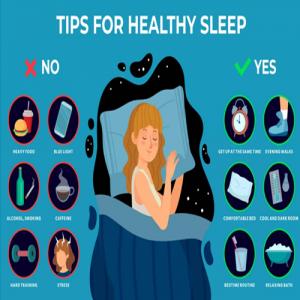
In today’s busy world, many people sacrifice sleep to meet work deadlines, scroll through social media, or manage daily responsibilities. However, good sleep is just as important as a healthy diet and regular exercise. Developing healthy sleep habits, also known as Sleep hygiene, can make a big difference in how you feel physically and mentally.
Sleep hygiene refers to a set of simple lifestyle habits and environmental changes that help improve the quality and consistency of your sleep.
Why Sleep Quality Matters
Getting enough restful sleep helps the body repair itself and recharge for the next day. When we sleep well, our brain processes information, strengthens memory, and supports emotional balance.
Poor sleep, on the other hand, can lead to problems such as fatigue, irritability, reduced concentration, and even long-term health issues. Chronic sleep problems are also linked to conditions like Insomnia and Obesity.
That’s why maintaining good sleep habits is essential for overall well-being.
Create a Consistent Sleep Schedule
One of the most important sleep hygiene habits is maintaining a consistent sleep schedule. Going to bed and waking up at the same time every day helps regulate your body’s internal clock.
Even on weekends or holidays, try to stick to a similar schedule. This consistency helps your body naturally feel sleepy at night and more alert in the morning.
Design a Sleep-Friendly Environment
Your bedroom environment plays a major role in how well you sleep. A calm, comfortable space can help your body relax and prepare for rest.
Here are a few simple tips to create a better sleep environment:
• Keep the room cool and well-ventilated
• Use comfortable pillows and bedding
• Reduce noise and bright lights
• Keep electronic devices away from the bed
A dark and quiet room signals the brain that it’s time to rest, making it easier to fall asleep.
Limit Screen Time Before Bed
Many people use smartphones or watch television before sleeping. However, the blue light from screens can interfere with the body’s production of Melatonin, the hormone responsible for sleep.
Try to avoid using electronic devices at least 30–60 minutes before bedtime. Instead, consider relaxing activities such as reading a book, listening to calm music, or practicing deep breathing.
Watch What You Eat and Drink
Your eating habits can also affect sleep quality. Heavy meals, caffeine, and sugary drinks close to bedtime may make it harder for your body to relax.
If you feel hungry at night, choose light snacks such as fruit, yogurt, or warm milk. Avoid coffee or energy drinks in the evening, as caffeine can stay in the body for several hours.
Drinking too much water before bed can also interrupt sleep because of frequent trips to the bathroom.
Manage Stress and Relax Before Bed
Stress and anxiety are common reasons for poor sleep. When the mind is full of worries, it becomes difficult to relax.
Simple relaxation techniques can help calm the mind. Activities such as meditation, stretching, journaling, or gentle breathing exercises can signal the body that it’s time to wind down.
Even taking a warm shower before bed can help relax muscles and improve sleep quality.
The Long-Term Health Benefits of Good Sleep
Good sleep hygiene does more than just help you feel rested. It also improves many aspects of health.
Quality sleep supports the immune system, improves mood, enhances brain function, and helps maintain a healthy weight. People who sleep well often experience better focus, higher productivity, and stronger emotional balance.
Over time, consistent sleep habits can reduce the risk of several chronic health problems.
Final Thoughts
Improving sleep quality doesn’t always require major lifestyle changes. Often, small daily habits can make a big difference.
By maintaining a regular sleep schedule, reducing screen time before bed, creating a peaceful bedroom environment, and managing stress, you can significantly improve your sleep hygiene.
Remember, good sleep is not a luxury—it is a vital part of a healthy life. When you prioritize restful sleep, your body and mind thank you with better energy, stronger health, and a brighter mood every day.
TAGS : sleep hygiene: simple habits to improve sleep quality and overall health, sleep hygiene


