
Ray-Ban Meta Smart Glasses: A New Way to See and Navigate the World
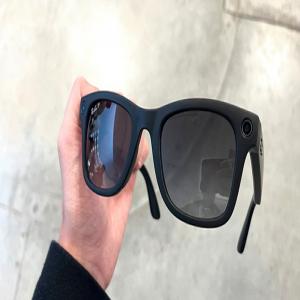
Smart glasses are no longer just
a futuristic idea from science-fiction films. In 2026, wearable technology is
becoming more useful, practical, and surprisingly stylish. The latest Ray-Ban
Meta smart glasses are showing how artificial intelligence can become part of
everyday life without requiring people to constantly look at a phone. With
real-time translation, navigation support, cameras, open-ear audio, and
AI-powered assistance, these glasses are changing the way people interact with
the world around them.
One of the most exciting features
is real-time translation. Imagine travelling to a country where you do not
speak the local language and being able to understand a conversation more
naturally. Meta's AI glasses can translate supported conversations, while
certain display models can show translated captions directly in the user's
field of view. The technology is designed to make communication easier without
forcing people to repeatedly take out their phones.
This feature could be
particularly useful for travellers, international professionals, and people
living in multilingual environments. Instead of searching for a translation app
every few minutes, users can interact more naturally with the people around
them. The glasses can also help translate written information, such as signs,
menus, and other text, making everyday situations more convenient.
Navigation is another major step
forward. Meta's display-focused Ray-Ban smart glasses can provide turn-by-turn
walking directions with a visual map shown on the in-lens display. This means
users can receive guidance while keeping their attention on the road or path
ahead. In supported locations, the glasses are designed to make navigation feel
less like constantly checking a screen and more like receiving helpful
information at the right moment.
The most important distinction is
that the Ray-Ban Meta family now includes different types of AI glasses. The
Ray-Ban Meta Gen 2 models focus on features such as AI assistance, cameras,
open-ear audio, real-time translation, and voice control. The Meta Ray-Ban
Display models add an in-lens visual display, which is what enables on-display
navigation prompts and visible translation captions. In other words, the
technology is moving closer to augmented reality, but not every pair of Ray-Ban
Meta glasses offers the same visual AR experience.
Beyond translation and
navigation, the glasses are designed for hands-free everyday tasks. Users can
ask Meta AI questions about what they are seeing, capture photos and videos,
listen to music and podcasts, make calls, and send messages. Ray-Ban's Gen 2
models also feature a 12-megapixel ultra-wide camera, open-ear speakers, a
five-microphone array, and built-in Meta AI.
The biggest appeal of the
technology may be its familiar design. Unlike large VR headsets or obvious
futuristic wearables, these glasses are designed to resemble normal eyewear.
This makes them easier to imagine as part of everyday life. People can wear
them while travelling, walking, commuting, or exploring a new city without
feeling as though they are carrying a computer on their face.
However, smart glasses also raise
important questions about privacy. Cameras and microphones in everyday eyewear can
make people around the user uncomfortable if they are unsure whether they are
being recorded. Ray-Ban Meta glasses include indicators to signal when
recording is taking place, but responsible use remains important. As wearable
technology becomes more common, users will need to think carefully about when
and where they use these features.
Battery life, internet
connectivity, feature availability, and regional support can also affect the
experience. Some advanced features are available only on specific models, while
certain navigation and translation tools may depend on location, language, and
software availability. Buyers should therefore check the exact features offered
by the model they are considering.
Overall, Ray-Ban Meta smart
glasses represent an exciting direction for everyday technology. Real-time
translation and navigation bring practical value, while AI assistance makes it
possible to interact with digital information without constantly reaching for a
phone. The technology is still evolving, but it offers a clear glimpse of a
future where smart devices may become less visible and more naturally connected
to daily life. For anyone interested in gadgets, travel, or AI, the future is
becoming something you can wear.
TAGS : ray-ban meta smart glasses, ray-ban meta, ray-ban meta glasses 2026, smart glasses 2026, ai smart glasses, ai glasses, meta ai glasses, ray-ban meta gen 2, meta ray-ban display, ray-ban meta display glasses, smart glasses with ai, smart glasses with camera, smart glasses with audio, smart glasses with display, ai wearables


