
Postpartum Mental Health Awareness: Caring for Mothers Beyond Childbirth
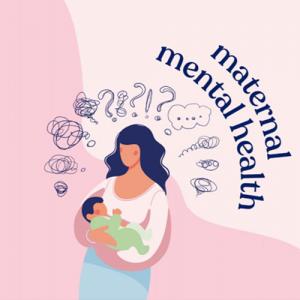
The arrival of a baby is often described as one of the happiest moments in life. While it brings immense joy, it also marks a period of deep physical, emotional, and psychological change for a mother. Postpartum mental health is a topic that deserves more attention, understanding, and compassion. Many new mothers silently struggle during this phase, feeling overwhelmed while being expected to appear joyful and grateful at all times.
Postpartum mental health challenges can begin days or even weeks after childbirth. Hormonal changes, sleep deprivation, physical recovery, and the responsibility of caring for a newborn can take a heavy toll. Feeling tired, emotional, or anxious during this period is common, but when these feelings become intense or persistent, they may signal a deeper concern that should not be ignored.
One of the most widely experienced conditions is postpartum depression. Unlike temporary mood swings, postpartum depression can make a mother feel persistently sad, hopeless, or disconnected from her baby. She may struggle with feelings of guilt, self-doubt, or fear that she is not a good mother. These feelings are not a sign of weakness. They are a response to immense changes happening both internally and externally.
Postpartum anxiety is another condition that often goes unnoticed. New mothers may experience constant worry about their baby’s health, safety, or future. Racing thoughts, restlessness, and physical symptoms like a fast heartbeat or shortness of breath can make daily life exhausting. Some mothers may also experience intrusive thoughts, which can be frightening but are more common than people realize.
Societal expectations add another layer of pressure. Many cultures, including Indian families, place new mothers on a pedestal while simultaneously expecting them to manage household duties, childcare, and emotional strength. The idea that motherhood should come naturally can prevent women from speaking up when they struggle. Silence, however, only deepens isolation.
Support plays a critical role in postpartum mental health. Emotional support from partners, family members, and friends can make a meaningful difference. Simple acts like listening without judgment, offering help with daily tasks, or encouraging rest can ease the burden significantly. When mothers feel seen and supported, healing becomes more possible.
Self-care during the postpartum period is not selfish; it is essential. Adequate rest, proper nutrition, and moments of calm help stabilize emotions and restore energy. Even small breaks, such as a short walk or quiet time alone, can help a mother reconnect with herself beyond her caregiving role.
Seeking professional help is a sign of strength, not failure. Mental health professionals can provide guidance, reassurance, and treatment options when needed. Early intervention can prevent symptoms from worsening and help mothers regain confidence and emotional balance. Open conversations about mental health reduce stigma and encourage more women to seek help without fear.
Raising awareness about postpartum mental health benefits not only mothers but entire families. When a mother’s mental health is cared for, she is better able to bond with her baby and nurture her family. Healing does not follow a fixed timeline, and every mother’s journey is unique.
Postpartum mental health awareness reminds us that motherhood is not only about caring for a child but also about caring for the woman who gave birth. With empathy, understanding, and open dialogue, we can create a world where new mothers feel supported, valued, and emotionally safe during one of the most transformative phases of their lives.
TAGS : postpartum mental health awareness: caring for mothers beyond childbirth


