
Physical Ergonomics: Preventing Musculoskeletal Injuries Through Proper Lifting, Posture, and Workstation Setup
Many people experience back pain, neck stiffness, shoulder
tension, or wrist discomfort at some point in their lives. While these aches
are often dismissed as a normal part of work or aging, they can sometimes be
signs of musculoskeletal strain caused by poor ergonomics.
Physical ergonomics focuses on designing work environments
and daily activities to fit the human body. The goal is simple: reduce physical
stress, improve comfort, and prevent injuries. Whether you work in an office, a
warehouse, a hospital, or from home, paying attention to ergonomics can make a
significant difference to your long-term health.
What Are Musculoskeletal Injuries?
Musculoskeletal injuries affect muscles, joints, tendons,
ligaments, nerves, and bones. They often develop gradually due to repetitive
movements, poor posture, improper lifting techniques, or prolonged sitting.
Common examples include:
Lower
back pain
Neck
strain
Shoulder
injuries
Wrist
and hand discomfort
Tendon
inflammation
Joint
stiffness
These problems can reduce productivity, affect daily
activities, and lead to chronic pain if ignored.
The Importance of Proper Posture
Good posture is one of the simplest ways to reduce physical
strain.
Many people spend hours sitting at desks, looking down at
phones, or working in awkward positions. Over time, these habits place extra
pressure on muscles and joints.
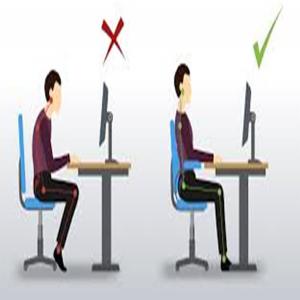
When sitting, try to:
Keep
your back supported by the chair
Place
both feet flat on the floor
Relax
your shoulders
Keep
your ears aligned with your shoulders
Avoid
slouching or leaning forward for long periods
Maintaining proper posture helps distribute body weight
evenly and reduces unnecessary stress on the spine.
Setting Up an Ergonomic Workstation
A poorly arranged workstation can contribute to discomfort
and injury.
Whether working from an office or home, a few adjustments
can improve comfort significantly.
Monitor Position
Your computer screen should be at eye level so that your
neck remains in a neutral position. Looking down or up for long periods can
strain the neck and shoulders.
The monitor should generally be about an arm's length away
from your eyes.
Keyboard and Mouse Placement
Your keyboard and mouse should allow your elbows to stay
close to your body at roughly a 90-degree angle.
Avoid reaching forward excessively, as this can create
tension in the shoulders and wrists.
Chair Support
A good chair should support the natural curve of your lower
back.
If necessary, use a small cushion or lumbar support to
maintain proper spinal alignment.
Lighting
Poor lighting can cause eye strain and encourage awkward
postures as people lean closer to screens or documents.
Proper lighting helps maintain comfortable working
positions.
Taking Regular Movement Breaks
Even the most ergonomic workstation cannot replace movement.
Sitting for extended periods can reduce circulation and
increase muscle stiffness.
A simple strategy is to:
Stand
up every 30 to 60 minutes
Stretch
briefly
Walk
around for a few minutes
Change
positions regularly
These small breaks help reduce fatigue and improve comfort
throughout the day.
Safe Lifting Techniques
Improper lifting is one of the leading causes of workplace
injuries, particularly lower back strain.
When lifting heavy objects:
Bend Your Knees
Use your legs rather than your back to lift.
Squat down by bending your knees while keeping your back
relatively straight.
Keep the Load Close
Hold the object close to your body. Carrying weight far from
your center of gravity increases strain on the back and shoulders.
Avoid Twisting
Turn your entire body instead of twisting your spine while
carrying a load.
Twisting under weight can increase the risk of injury.
Ask for Help
If an object is too heavy or awkward to lift safely, use
mechanical assistance or ask someone to help.
There is no benefit in risking injury by lifting beyond your
capacity.
Strength and Flexibility Matter
Strong muscles support healthy movement patterns.
Regular physical activity, stretching, and strength training
can improve posture, balance, and resilience against injury.
Exercises that strengthen the core, back, and shoulders are
particularly beneficial for maintaining good posture and reducing strain.
Listening to Your Body
Pain is often a signal that something needs attention.
Do not ignore recurring discomfort, numbness, tingling, or
stiffness. Early adjustments to posture, work habits, or workstation setup can
prevent minor issues from becoming chronic injuries.
Final Thoughts
Physical ergonomics is not just about comfort—it is about
protecting your body for the long term. Proper posture, safe lifting
techniques, regular movement, and a well-designed workstation can significantly
reduce the risk of musculoskeletal injuries.
Small changes made consistently can have a lasting impact on
your health. By paying attention to how you sit, stand, lift, and work, you can
reduce strain, improve productivity, and support a healthier, more comfortable
lifestyle.
TAGS : physical ergonomics,posture


