
Nutrition and Physical Growth: Supporting Healthy Habits in Children
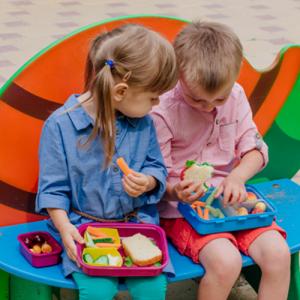
A child’s growth is closely linked to what they eat every day. Good nutrition not only supports physical development but also affects energy levels, learning ability, and overall well-being. Today, many parents face a mix of challenges—childhood obesity, picky eating habits, and nutritional deficiencies. The key is finding a balanced approach that supports healthy growth without creating stress around food.
Understanding Childhood Obesity
Childhood obesity has become more common due to changes in lifestyle. Less physical activity, more screen time, and easy access to processed foods can lead to unhealthy weight gain.
It is important to focus on habits rather than strict dieting. Encourage outdoor play, limit sugary snacks, and include home-cooked meals as much as possible. Small changes like replacing soft drinks with water or fresh juices can make a big difference over time.
Instead of restricting food, guide children towards better choices.
Preventing and Managing Picky Eating
Picky eating is a common concern for many parents. Children may refuse vegetables, avoid new foods, or stick to a limited menu.
The best way to handle this is with patience. Forcing a child to eat can create negative feelings around food. Instead, introduce new foods slowly and in creative ways.
For example, you can mix vegetables into dishes they already enjoy or present food in fun shapes and colours. Eating together as a family also helps, as children often copy what they see.
Consistency is important. A child may need to try a new food several times before accepting it.
Ensuring Balanced Nutrition
A balanced diet includes a mix of carbohydrates, proteins, fats, vitamins, and minerals. Each plays a role in a child’s growth.
Include whole grains, fruits, vegetables, dairy, and protein sources like pulses, eggs, or lean meat in daily meals. Variety is the key to making sure children get all the nutrients they need.
Try to avoid relying too much on packaged or fast foods, as they often lack essential nutrients.
Managing Nutritional Deficiencies
Deficiencies in nutrients like iron, calcium, and vitamins can affect a child’s growth and energy levels. Signs may include fatigue, weak immunity, or slow development.
Including iron-rich foods like leafy greens, lentils, and jaggery can help. Calcium can be supported through milk, curd, and other dairy products. Fresh fruits and vegetables provide important vitamins.
If you suspect a deficiency, it is always best to consult a doctor before starting any supplements.
Building Healthy Eating Habits
Healthy habits start at home. Creating a positive food environment makes a big difference.
Serve meals at regular times and avoid distractions like screens while eating. Encourage children to listen to their hunger and fullness cues.
Avoid using food as a reward or punishment. This helps children develop a healthy relationship with food.
The Role of Physical Activity
Nutrition and physical activity go hand in hand. Regular movement supports healthy weight, strengthens muscles, and improves overall fitness.
Encourage activities like cycling, playing outdoor games, or even simple exercises at home. Making physical activity fun ensures children stay active without feeling forced.
Final Thoughts
Supporting a child’s nutrition and growth is not about perfection. It is about creating balanced habits that work in the long run. By addressing challenges like obesity, picky eating, and deficiencies with patience and understanding, parents can help children grow in a healthy and positive way.
Small, consistent efforts—like offering nutritious meals, encouraging activity, and maintaining a supportive environment—can shape a child’s health for years to come. In the end, it is not just about what children eat, but how they learn to enjoy and respect food.
TAGS : nutrition and physical growth: supporting healthy habits in children


