
Mount Kailash: A Sacred Journey to Find Inner Peace
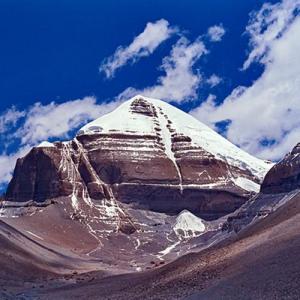
There are journeys you plan for adventure… and then there are journeys that quietly call you from somewhere deep within. A trip to Mount Kailash is the second kind. It isn’t just a travel destination; it’s a spiritual experience that feels older than time itself.
Standing tall in the remote landscapes of western Tibet, Mount Kailash is sacred to Hindus, Buddhists, Jains, and followers of Bon. For Hindus, it is believed to be the abode of Lord Shiva. Buddhists see it as the center of the universe. And when you finally see it in person, wrapped in snow and silence, you understand why faith lives here.
Why Travel to Mount Kailash?
The journey to Kailash is not luxurious or easy. It’s raw, high-altitude, and physically demanding. But that’s what makes it transformative. The air feels different — thinner, purer. The mountains don’t just surround you; they humble you.
Pilgrims perform the sacred Kailash Parikrama (a 52-km trek around the mountain), believing it washes away sins and brings spiritual clarity. Whether you’re deeply religious or simply searching for inner peace, the energy of this place has a calming, grounding effect. There’s very little network signal, no city noise, and no distractions. Just you, the mountains, and your thoughts.
How to Travel to Mount Kailash
Reaching Mount Kailash requires planning because it is located in Tibet, under Chinese administration.
1. Travel Routes from India
Most Indian pilgrims choose one of these routes:
• Via Lipulekh Pass (Uttarakhand) – Organized by the Government of India through the Ministry of External Affairs.
• Via Nathu La Pass (Sikkim) – Slightly easier terrain compared to Lipulekh.
• Via Nepal (Kathmandu Route) – The most popular and relatively comfortable option. You travel to Kathmandu, then take flights or road journeys toward the Tibetan border and onward to Kailash.
The Nepal route is generally preferred because it involves less trekking before reaching Tibet.
2. Permits and Documentation
You cannot travel independently to Mount Kailash. You must go through an authorized travel operator who arranges:
• Chinese visa (group visa)
• Tibet travel permit
• Accommodation
• Transport
• Yaks or porters during parikrama (if required)
The journey typically takes 10–15 days depending on the route.
3. Best Time to Visit
The best time to visit is between May and September when the weather is comparatively stable and roads are accessible. Avoid winter months due to extreme cold and heavy snowfall.
Where to Stay
This is not a five-star vacation. Stays are basic but clean.
• In Kathmandu, you’ll find comfortable hotels ranging from budget to premium.
• In Tibet, accommodation is mostly guesthouses or simple lodges.
• During the parikrama, you may stay in dormitory-style guesthouses in places like Darchen and Dirapuk.
Facilities are limited — hot water may not always be available, and food options are simple (mostly vegetarian meals like rice, dal, noodles, soups). But somehow, the simplicity adds to the experience.
Physical Preparation and Tips
Mount Kailash sits at an altitude of over 6,600 meters, and the parikrama reaches around 5,600 meters. Altitude sickness is a real concern. Before planning your journey:
• Start light cardio and walking practice 2–3 months before.
• Carry prescribed altitude medication after consulting a doctor.
• Stay hydrated.
• Move slowly and listen to your body.
Mental preparation is equally important. The journey tests patience and endurance.
What Makes It So Special?
The first glimpse of Mount Kailash often leaves people emotional. Some cry. Some fall silent. Some simply fold their hands in prayer. The mountain stands perfectly shaped, almost symmetrical, like a divine sculpture against the sky.
Nearby, you’ll also visit Lake Manasarovar, whose calm waters reflect the mountain beautifully. Sitting by the lake during sunrise feels like meditation without effort.
There’s something deeply peaceful about being in a place where faith has lived for thousands of years. You return home not just with photographs, but with a quieter mind and a lighter heart.
Final Thoughts
A trip to Mount Kailash is not about luxury, shopping, or ticking off a bucket list. It’s about disconnecting from chaos and reconnecting with yourself. It’s about walking slowly, breathing deeply, and realizing how small we are in the grand design of nature.
If you feel that inner call, don’t ignore it. Some journeys change your location. This one changes your perspective.
TAGS : mount kailash: a sacred journey to find inner peace, kailash, mount kailash


