
Intermittent Fasting: What to Eat and What to Avoid
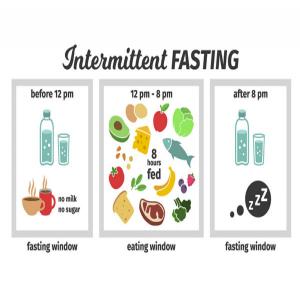
Intermittent fasting has become a popular lifestyle choice for people looking to improve their health, manage weight, and build a better relationship with food. Rather than focusing on strict calorie counting, it emphasizes when you eat instead of how much you eat. While fasting windows are important, what you eat during your eating window plays an equally crucial role in how effective and sustainable intermittent fasting can be.
Understanding the right foods to include—and those to avoid—can make intermittent fasting feel nourishing instead of restrictive.
What to Eat During Intermittent Fasting
When you break your fast, your body needs nutrients that provide energy, support digestion, and keep you full for longer. Choosing balanced, wholesome foods helps prevent energy crashes and overeating.
Protein-rich foods should be a priority. They help maintain muscle, control hunger, and stabilize blood sugar. Include foods like eggs, lentils, beans, tofu, yogurt, cottage cheese, fish, or lean meats. Protein gives your meals structure and satisfaction.
Healthy fats are essential during intermittent fasting. They slow digestion and promote fullness. Foods like nuts, seeds, avocados, olive oil, and ghee provide sustained energy without spiking blood sugar levels.
Complex carbohydrates offer steady energy and support digestion. Whole grains, oats, brown rice, millets, sweet potatoes, and legumes are better choices than refined carbs. Pairing carbs with protein and fats helps keep your energy balanced.
Fruits and vegetables provide fiber, vitamins, and antioxidants. Leafy greens, cucumbers, carrots, berries, apples, and citrus fruits support digestion and reduce inflammation. Fiber is especially important to prevent constipation during fasting routines.
Hydrating foods and fluids are often overlooked. Water, herbal teas, coconut water, and soups help maintain hydration and reduce fatigue. Proper hydration makes fasting easier and more comfortable.
Best Way to Break Your Fast
Breaking your fast gently is key. Start with something light and nourishing, such as fruit, soaked nuts, yogurt, or soup. This allows your digestive system to wake up slowly. Follow it with a balanced meal that includes protein, healthy fats, and fiber-rich carbs.
Eating too much too quickly can lead to bloating, discomfort, or sluggishness.
What to Avoid During Intermittent Fasting
Some foods can make fasting harder and reduce its benefits. Avoiding these helps maintain energy and digestive health.
Refined and processed foods such as white bread, pastries, sugary snacks, and packaged meals can spike blood sugar and lead to cravings. They may break your fast harshly and leave you feeling tired soon after.
Excess sugar is another common mistake. Sugary drinks, desserts, and sweets cause rapid insulin spikes and hunger swings. They undo many of the metabolic benefits of fasting.
Fried and oily foods are heavy on digestion and may cause bloating or acidity, especially when eaten right after fasting. They offer little nutrition compared to the strain they put on your system.
Overeating and large portions can cancel out the benefits of fasting. Intermittent fasting isn’t an excuse to eat excessively during your eating window. Mindful eating is essential.
Alcohol and sugary beverages can dehydrate the body and disrupt metabolism. If consumed, they should be limited and balanced with hydration and nutritious food.
Final Thoughts
Intermittent fasting works best when paired with thoughtful food choices. Eating nourishing, whole foods helps your body adapt to fasting while supporting energy, digestion, and overall well-being. Avoiding processed and sugary foods makes the fasting experience smoother and more effective.
Intermittent fasting is not about deprivation—it’s about creating a balanced rhythm between eating and rest. When done mindfully, it can become a sustainable and healthy way of living that supports both body and mind.
TAGS : intermittent fasting: what to eat and what to avoid, intermittent fasting


