
Interior Designer as a Career Choice: Turning Creativity into Living Spaces
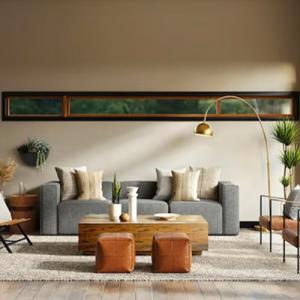
Have you ever walked into a beautifully designed room and instantly felt calm, inspired, or impressed? That’s the power of interior design. It’s not just about arranging furniture or choosing paint colors — it’s about creating spaces that influence how people feel and live.
If you are someone who notices details, loves creativity, and enjoys transforming ordinary spaces into something special, interior design could be a rewarding career choice for you.
Let’s explore what this career truly involves and why it’s becoming increasingly popular.
What Does an Interior Designer Do?
An interior designer plans and designs functional and aesthetically pleasing indoor spaces. This can include homes, offices, hotels, restaurants, retail stores, and more.
Their responsibilities typically include:
• Meeting clients to understand their needs
• Creating design concepts and mood boards
• Selecting colors, furniture, lighting, and materials
• Preparing layouts and 3D designs
• Coordinating with architects, contractors, and vendors
• Managing budgets and timelines
It’s a profession that combines art, technical knowledge, and project management skills.
Why Choose Interior Design?
1. Creative Freedom
Interior design allows you to express your creativity in practical ways. Every project is different. One day you might be designing a modern apartment; the next, a cozy café or luxury villa.
If you enjoy experimenting with textures, colors, and layouts, this field keeps your imagination active.
2. Growing Demand
With rapid urban development and changing lifestyles, the demand for professional interior designers is increasing. People today want functional yet stylish spaces.
Major cities around the world are seeing growth in residential and commercial design projects. Global architecture and design firms like Gensler have expanded the industry’s influence, making interior design a respected profession.
3. Diverse Career Opportunities
Interior designers can work in multiple areas:
• Residential design
• Commercial design
• Hospitality design
• Set design for films or events
• Furniture and product design
You can work with established design studios or start your own practice once you gain experience.
Skills You Need
Interior design is not just about creativity. It requires a mix of technical and interpersonal skills.
Key skills include:
• Strong visualization and drawing skills
• Knowledge of design software (like AutoCAD, SketchUp, 3D tools)
• Communication and presentation skills
• Budget management
• Attention to detail
You also need problem-solving skills. Sometimes spaces come with limitations — small rooms, structural constraints, or tight budgets. Finding smart solutions is part of the job.
Educational Path
Many institutes offer diploma and degree programs in interior design. Reputed institutions like the National Institute of Design (NID) provide structured courses that combine theory and practical learning.
Courses usually include subjects like space planning, materials, lighting design, furniture design, and project management.
Internships during your course are important. They provide real-world exposure and help build your portfolio.
Salary and Growth
Entry-level interior designers may start with moderate salaries, but income grows with experience, skills, and reputation.
Freelancers and business owners have the potential to earn significantly more, especially when working on high-end projects.
Your portfolio plays a major role in your success. Strong project presentations and satisfied clients can bring repeat business and referrals.
Challenges to Consider
Interior design can be demanding. Clients may change their minds frequently. Projects can run into delays. Managing expectations and staying within budget can be stressful.
However, completing a project and seeing a finished space come to life brings immense satisfaction.
Is Interior Design Right for You?
If you love creativity but also enjoy structure and planning, interior design offers the best of both worlds. It’s ideal for individuals who are observant, detail-oriented, and passionate about aesthetics.
It’s not just about making spaces look beautiful — it’s about making them functional, comfortable, and meaningful.
Final Thoughts
Interior design as a career blends creativity, technology, and business. It offers flexibility, growth, and the opportunity to leave a visible impact on people’s daily lives.
If you’re ready to turn your design ideas into reality and shape the way people experience spaces, interior design could be the perfect career path for you. Sometimes, building a beautiful space begins with building the right career choice.
TAGS : interior designer as a career choice: turning creativity into living spaces


