
Hyperpigmentation: Causes and Treatments for Clearer, Even-Toned Skin
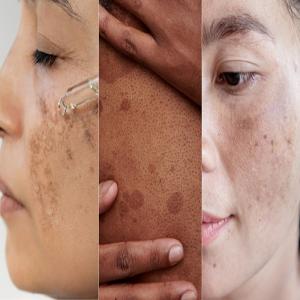
Have you ever noticed dark patches, uneven skin tone, or
stubborn spots that remain long after a pimple disappears? These skin concerns
are commonly associated with hyperpigmentation. It is a widespread condition
that affects people of different ages and skin types. Although it is generally
harmless, it can make some people feel less confident about their appearance.
The good news is that hyperpigmentation can often be managed
with the right skincare routine, suitable treatments, and consistent sun
protection. Understanding what causes it is the first step towards achieving
healthier-looking skin.
What Is Hyperpigmentation
Hyperpigmentation occurs when certain areas of the skin
produce excess melanin, the natural pigment responsible for skin colour. This
excess pigment creates darker patches or spots compared to the surrounding
skin.
It can appear on the face, neck, hands, arms, and other
areas exposed to sunlight. The spots may be light brown, dark brown, greyish,
or black, depending on the underlying cause and skin tone.
Hyperpigmentation is not usually a medical concern, but
sudden, unusual, or changing dark patches should be examined by a
dermatologist.
Common Causes of Hyperpigmentation
Several factors can contribute to increased melanin
production. Identifying the cause helps determine the most suitable treatment.
1. Sun Exposure
Excessive exposure to ultraviolet rays is one of the most
common causes of pigmentation. Sunlight stimulates melanin production as the
skin's natural protective response. Over time, this can lead to sunspots,
freckles, and uneven skin tone, particularly on the face and hands.
2. Acne and Skin Inflammation
Dark marks that remain after acne, insect bites, cuts, or
skin irritation are known as post-inflammatory hyperpigmentation. Picking
pimples, scratching the skin, or using harsh skincare products can make these
marks more noticeable.
3. Hormonal Changes
Hormonal fluctuations can contribute to melasma, a condition
that causes brown or greyish patches, commonly on the cheeks, forehead, upper
lip, and chin. It may occur during pregnancy or with certain hormonal
medications.
4. Ageing
As skin ages, years of sun exposure can lead to the
development of age spots, also known as solar lentigines. These are commonly
seen on areas that receive frequent sunlight.
5. Certain Medications and Skin Conditions
Some medications and underlying skin conditions can also
contribute to pigmentation. If dark patches appear after starting a new
medication, discuss the changes with your healthcare professional.
Effective Treatments for Hyperpigmentation
Treating pigmentation requires patience because dark spots
often take weeks or months to fade. The right treatment depends on the type,
depth, and cause of pigmentation.
1. Vitamin C
Vitamin C is an antioxidant commonly used in skincare
products to brighten the appearance of skin and reduce the visibility of dark
spots. It can also help protect the skin against environmental damage when used
alongside sunscreen.
2. Niacinamide
Niacinamide, a form of vitamin B3, helps support the skin
barrier and can improve the appearance of uneven skin tone. It is generally
well tolerated and can be included in many daily skincare routines.
3. Retinoids
Retinoids encourage skin cell turnover and may help improve
pigmentation over time. However, they can cause dryness and irritation,
especially when introduced too quickly. Pregnant women or those planning
pregnancy should avoid retinoids unless specifically advised otherwise by their
doctor.
4. Chemical Exfoliants
Ingredients such as glycolic acid and lactic acid help
remove dead skin cells and improve skin texture. They may gradually reduce the
appearance of superficial pigmentation. Over-exfoliation, however, can irritate
the skin and make pigmentation worse.
5. Dermatological Treatments
For stubborn pigmentation, dermatologists may recommend
prescription creams, chemical peels, or certain laser procedures. These
treatments should always be selected by a qualified professional because
unsuitable procedures can worsen pigmentation, particularly in darker skin
tones.
Daily Skincare Habits to Prevent Dark Spots
A simple and consistent routine can make a noticeable
difference.
Apply
a broad-spectrum SPF 30 or higher sunscreen every morning.
Reapply
sunscreen every two hours when outdoors, and after swimming or sweating.
Wear
sunglasses, hats, and protective clothing in strong sunlight.
Use
a gentle cleanser and moisturiser to maintain the skin barrier.
Avoid
picking pimples or using harsh scrubs.
Introduce
active ingredients gradually rather than using several strong products
together.
Final Thoughts
Hyperpigmentation is a common skin concern, but treating it
does not require an expensive or complicated skincare routine. Understanding
its cause, choosing suitable ingredients, and protecting your skin from
sunlight are essential steps towards a more even complexion.
Remember that visible improvement takes time. Avoid
quick-fix remedies, harsh bleaching products, and excessive exfoliation. If
pigmentation persists, spreads, or changes in appearance, consult a
dermatologist for personalised treatment. Healthy skin is not about achieving a
particular shade; it is about keeping your skin comfortable, protected, and well
cared for.
TAGS : hyperpigmentation, hyperpigmentation causes and treatment, how to reduce dark spots on face, uneven skin tone treatment, skin pigmentation remedies, dark patches on skin, post inflammatory hyperpigmentation,


