
How to Handle Salary Negotiations-And When to Ask for More
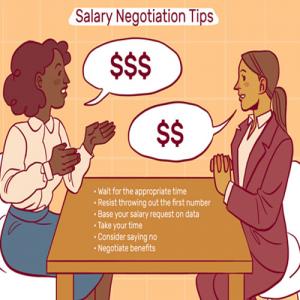
Let’s be honest. Salary conversations can feel awkward. Your heart beats faster, your mind overthinks, and suddenly you’re questioning your own worth. But here’s the truth: negotiating your salary is not being greedy. It’s being aware of your value.
If you’re working hard, delivering results, and growing your skills — you deserve to be paid fairly. The key is knowing when to ask and how to ask.
First: Know When It’s the Right Time
Timing matters a lot in salary negotiations.
One of the best times to discuss salary is during a job offer. If a company has chosen you, that’s your strongest position. They already want you. Instead of immediately accepting the first number, pause. Thank them. Ask for a day to review the offer. Then come back with a thoughtful counter if needed.
Another good time is during performance reviews. If you’ve consistently delivered strong results, taken on additional responsibilities, or contributed beyond your role, that’s your moment. Don’t wait for your manager to magically notice everything. Be prepared to highlight your achievements.
You can also consider asking for a raise after completing a major project, receiving positive feedback, or when your role has expanded significantly. But avoid asking during company layoffs, financial struggles, or right after making a big mistake at work. Context matters.
Second: Do Your Homework
Confidence comes from preparation.
Before asking for more money, research industry standards. What are professionals with your experience earning in similar roles? Look at job postings, talk to peers, understand the market range. This gives you realistic expectations.
Next, list your contributions. Be specific. Did you increase revenue? Improve processes? Reduce costs? Handle client escalations? Launch dashboards? (Especially if you’re in tech or analytics roles, measurable impact is powerful.)
Instead of saying, “I feel I deserve more,” say, “Over the past year, I’ve successfully led X project, improved Y metric by Z%, and taken on additional responsibilities. I’d like to discuss aligning my compensation with my contributions.”
See the difference? One is emotional. The other is professional.
Third: Stay Calm and Professional
Negotiation is not confrontation. It’s a conversation.
Avoid ultimatums unless you are truly prepared to walk away. Keep your tone respectful and confident. Practice what you want to say. You don’t need to be aggressive. In fact, calm clarity works better than pressure.
If your manager says the budget is tight, ask what milestones you need to achieve for a raise in the next cycle. Turn it into a growth discussion. That shows maturity.
Fourth: Know Your Value — But Be Realistic
It’s important to believe in yourself. But it’s equally important to be grounded.
If you’re early in your career, focus not just on salary but on learning opportunities. Sometimes a role that pays slightly less but offers strong growth can boost your long-term earning power.
However, if you’re underpaid compared to the market and consistently delivering results, staying silent won’t help. Many professionals regret not asking earlier.
Fifth: Understand That “No” Isn’t Always Final
If the answer is no, don’t panic. Ask for feedback. Ask what you need to improve. Set a timeline for revisiting the conversation. Document your goals and revisit them.
Sometimes companies genuinely cannot increase salary immediately. But they might offer bonuses, flexible work, learning budgets, or role upgrades.
Final Thoughts
Negotiating salary is not about ego. It’s about fairness. It’s about recognizing your skills, experience, and impact.
The moment you start seeing your career as a partnership — where you bring value and the company compensates that value — salary discussions feel less scary.
Ask when you’ve earned it. Prepare before you speak. Stay calm during the conversation.
And remember: advocating for yourself is a professional skill. The more you practice it, the more confident you’ll become.
TAGS : salary, how to handle salary negotiations-and when to ask for more


