
How to Choose the Right Foundation Shade
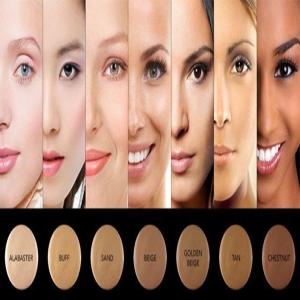
Finding the right foundation
shade can sometimes feel more difficult than choosing the foundation itself.
You may find a product with the perfect texture and coverage, only to discover
that the colour looks too light, too dark, too orange or too pink once you
apply it.
The right foundation should blend
naturally into your skin and make your complexion look even without creating an
obvious line between your face and neck. Choosing it becomes much easier when
you understand a few basics about your skin tone and undertone.
Here is a simple guide to finding
a foundation shade that looks natural and feels right for you.
Understand Your Skin Tone
Your skin tone refers to
the surface colour of your skin. It is generally described as fair, light,
medium, tan, deep or dark.
Foundation brands usually
organise their shades according to these categories. However, two people with
the same skin tone can still need completely different foundation shades
because their undertones may be different.
That is why choosing a foundation
based only on whether you have “fair” or “medium” skin can sometimes lead to
the wrong match.
Know Your Undertone
Your undertone is the
subtle colour beneath the surface of your skin. It generally falls into three
main categories:
Warm undertones – golden, yellow or peachy
tones
Cool undertones – pink, red or bluish tones
Neutral undertones – a balance of warm and
cool tones
Understanding your undertone can
make foundation shopping much easier.
For example, a foundation may
look like the correct depth for your skin but still appear orange or pink
because the undertone does not match.
Try the Vein Test
One simple way to get an idea of
your undertone is by looking at the veins on your wrist.
If your veins appear mostly
green, you may have warm undertones. If they appear more blue or purple, you
may have cool undertones. If it is difficult to tell, you may have a neutral
undertone.
This is only a general guide, and
lighting can affect what you see. It is always best to test foundation directly
on your skin before making a final decision.
Test Foundation on Your
Jawline
One of the most common mistakes
people make is testing foundation only on the back of their hand.
Your hands may not be the same
colour as your face, so this can give you an inaccurate idea of the right
shade.
Instead, apply a small amount of
foundation along your jawline, where your face meets your neck.
Try two or three shades that look
close to your skin tone. The best shade should blend naturally into your skin
without looking noticeably lighter or darker.
If you can clearly see where the
foundation begins and ends, it may not be the right match.
Always Check in Natural Light
Lighting can completely change
how foundation looks.
A shade that seems perfect under
bright store lights may look completely different outside. Whenever possible,
check your foundation in natural daylight before buying it.
Look at your face from different
angles and make sure the colour blends naturally with your neck and chest.
Natural light gives you a much
better idea of how the foundation will actually look during the day.
Don't Forget That Your Skin
Tone Can Change
Your foundation shade may not
stay the same throughout the year.
During summer, sun exposure may
make your skin appear slightly darker. During other seasons, your complexion
may become lighter.
Many people find it useful to
have more than one foundation shade or mix two shades to create a better match.
You do not have to force yourself
to use the same foundation colour all year round.
Choose the Right Formula Too
Finding the right shade is
important, but choosing the right formula also matters.
If you have oily skin, you may
prefer a lightweight or matte formula. If your skin tends to feel dry, a
hydrating or dewy foundation may feel more comfortable.
For everyday makeup, you might
prefer light or medium coverage. For special occasions, you may want more
coverage.
The perfect foundation is one
that matches both your skin colour and your skin's needs.
Let the Foundation Set Before
Deciding
Don't judge a foundation
immediately after applying it.
Some foundations can look
slightly different after sitting on the skin for a few minutes. Allow the
product to settle before deciding whether the shade works for you.
Walk around, look at it in
different lighting and see how comfortable it feels.
A foundation that looks good for
five minutes should also continue looking good throughout your day.
Final Thoughts
Choosing the right foundation
shade does not have to be confusing.
Start by understanding your skin
tone and undertone, test shades along your jawline and always check the result
in natural light.
Remember that the goal is not to
make your skin look lighter, darker or completely different. The best
foundation simply enhances your natural complexion and creates a smooth, even
appearance.
Take your time, test a few
options and don't be afraid to experiment. Once you find the right shade, your
entire makeup routine becomes easier—and your skin will look naturally fresh
and beautifully you.
TAGS : how to choose the right foundation shade, foundation shade guide, best foundation shade for your skin tone, how to find your foundation shade, foundation for skin tone, foundation for undertone, skin tone and undertone, warm undertone foundation


