
Homemade Mango Pickle: A Spicy, Tangy Tradition Loved in Every Indian Kitchen
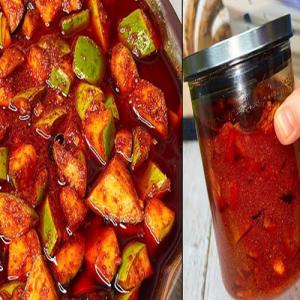
Few things bring back memories of Indian summers quite like the smell of freshly made mango pickle. Known as aam ka achar in many homes, mango pickle is more than just a side dish. It is tradition, nostalgia, and comfort stored inside a jar. From grandmothers drying raw mango pieces under the sun to families waiting impatiently for the pickle to mature, mango pickle has always held a special place in Indian kitchens.
Every region has its own version. Some are fiery and spicy, some are tangy and mustard-heavy, while others are made with garlic, jaggery, or sesame oil. But one thing remains common—the irresistible flavor that makes even a simple plate of rice taste extraordinary.
Homemade mango pickle may seem complicated at first, but once you understand the process, it becomes surprisingly simple and deeply satisfying to prepare.
Why Mango Pickle Is So Popular
Raw mangoes have the perfect sourness needed for pickling.
When mixed with spices, salt, and oil, they slowly absorb flavor over time, creating that bold taste everyone loves.
Mango pickle pairs beautifully with:
Rice and dal
Curd rice
Parathas
Khichdi
Dosas
Chapatis
Even a small spoonful can completely transform a meal.
Choosing the Right Mangoes
The best mango pickle starts with the right raw mangoes.
Choose firm, unripe green mangoes that are sour and fresh.
Avoid soft or ripened mangoes because they may spoil quickly.
The mangoes should feel hard when pressed.
Ingredients for Traditional Mango Pickle
4 raw mangoes (medium-sized)
3 tablespoons red chilli powder
2 tablespoons mustard powder
1 tablespoon turmeric powder
3 tablespoons salt
1 tablespoon fenugreek seeds
1 cup sesame oil or mustard oil
8 to 10 garlic cloves (optional)
1 teaspoon asafoetida (hing)
Step 1: Wash and Dry the Mangoes
Wash the raw mangoes thoroughly.
Dry them completely using a clean cloth.
This step is very important because moisture can spoil the pickle.
Once dry, cut the mangoes into medium-sized pieces.
Discard the seed shell if needed.
Step 2: Prepare the Spice Mix
Dry roast fenugreek seeds lightly until aromatic.
Allow them to cool and grind them into a coarse powder.
In a large bowl, mix:
Red chilli powder
Mustard powder
Turmeric powder
Salt
Fenugreek powder
Asafoetida
This spice blend gives mango pickle its bold and authentic flavor.
Step 3: Mix Mangoes and Spices
Add mango pieces into the spice mixture.
Mix thoroughly so every piece gets evenly coated.
If using garlic, add peeled cloves at this stage.
The garlic absorbs the spices beautifully over time.
Step 4: Heat the Oil
Heat sesame oil or mustard oil slightly until warm.
Allow it to cool completely before adding.
Pour the oil over the mango mixture and stir well.
The oil acts as a preservative while also adding richness to the pickle.
Step 5: Store Properly
Transfer the pickle into a clean, dry glass jar.
Make sure the mango pieces remain covered in oil.
Close the lid tightly.
Leave the pickle for a few days at room temperature.
Stir it once daily with a dry spoon.
Within a week, the mangoes begin absorbing all the flavors beautifully.
Why Homemade Pickle Feels Special
Homemade mango pickle has freshness and depth that store-bought versions often lack.
It also carries emotional value.
In many Indian homes, pickle-making is a seasonal ritual shared between generations.
The process itself feels comforting and nostalgic.
Tips for Longer Shelf Life
Always use dry spoons.
Keep moisture away from the jar.
Ensure mangoes are fully coated with oil.
Store in a cool place.
Properly made pickle can last for months.
Final Thoughts
Mango pickle is not just food—it is a taste of tradition.
Spicy, tangy, bold, and deeply comforting, it adds life to even the simplest meal.
Once you make homemade mango pickle, every spoonful feels like a little piece of summer preserved inside a jar.
TAGS : homemade mango pickle: a spicy, tangy tradition loved in every indian kitchen, mango pickle:, mango pickle: recipe


