
High Fever and Febrile Seizures in Children: What Parents Should Know
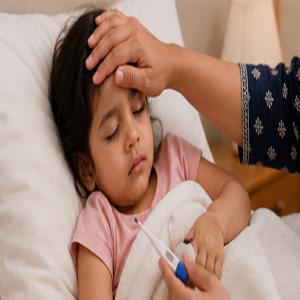
Seeing your child develop a high fever is
frightening, and witnessing a seizure can be even more alarming. Fever-related
seizures, called febrile seizures, can occur in some young children when they
have a fever. They are most common between about 6 months and 5 years of age.
Most are brief and do not cause lasting harm, but a child having a
seizure—especially for the first time—needs prompt medical assessment so the
cause of the fever and seizure can be evaluated.
What Does a
Febrile Seizure Look Like?
During a typical febrile seizure, a child
may suddenly become unresponsive, stiffen, roll their eyes or have jerking
movements of the arms and legs. The episode usually lasts only a few minutes,
although it can feel much longer to a worried parent. Afterward, the child may
be sleepy or confused for a short time.
What to Do
During a Seizure
·
Place the child on a safe, flat
surface away from hard or sharp objects and turn them onto their side if
possible.
·
Note the time the seizure
starts. This information is important for medical professionals.
·
Loosen tight clothing around
the neck and stay with the child.
·
Do not restrain the child's
movements and do not put a spoon, fingers, medicine, water or any other object
into their mouth.
·
Do not try to give fever
medicine while the child is actively seizing.
Know When
It Is an Emergency
Call emergency medical services if the
seizure lasts 5 minutes or longer, the child has trouble breathing, turns blue,
is seriously injured, or does not begin recovering after the seizure stops.
Urgent medical evaluation is also important if seizures repeat, affect only one
side of the body, or the child appears extremely unwell. A first seizure should
be medically assessed even when it stops quickly.
Caring for
the Fever
Once the seizure has stopped and the child
is awake enough to swallow safely, focus on comfort and hydration. Offer small
amounts of fluids regularly and dress the child in light, comfortable clothing.
Paracetamol (acetaminophen) or ibuprofen may help a child feel more comfortable
when used at the correct weight-based dose and when appropriate for that child.
Never give aspirin to a child unless specifically directed by a doctor.
Avoid
Aggressive Cooling
Very cold baths, ice packs and alcohol rubs
are not recommended for treating a child's fever. They can make the child
uncomfortable and may cause shivering. Fever is usually part of the body's
response to an infection, so the goal is to keep the child comfortable while
watching for signs of serious illness rather than trying to force the
temperature back to normal immediately.
Can Fever
Medicine Prevent Another Fit?
This is an important point for parents:
fever-reducing medicines can improve comfort, but they do not reliably prevent
febrile seizures. A seizure can sometimes happen early in an illness before
parents even realize the child has a fever. If your child has previously had
febrile seizures, ask their pediatrician for a clear action plan for future
illnesses.
Watch the
Child, Not Just the Thermometer
The temperature number is only one part of
the picture. Pay attention to breathing, alertness, hydration and behaviour.
Seek medical care promptly if the child is unusually difficult to wake, has a
stiff neck, persistent vomiting, breathing difficulty, a concerning rash, signs
of dehydration, severe pain, or simply looks seriously ill.
The
Reassuring Part
Febrile
seizures can be terrifying to witness, but most children who experience simple
febrile seizures recover completely and outgrow the tendency as they get older.
Knowing the basic first-aid steps before an emergency happens can make a
frightening situation safer: protect the child from injury, turn them to the
side, put nothing in the mouth, time the seizure and know when to call for
emergency help.
TAGS : febrile seizure, febrile seizures in children, fever seizure in child, child fever seizure, seizure during fever, fever related seizures, febrile seizure symptoms, febrile seizure first aid, what to do during febrile seizure, child seizure first aid,


