
Glucose Spike Management: Simple Food Habits to Prevent Energy Crashes After Meals
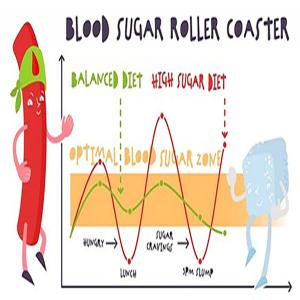
Have you ever eaten a meal, felt energized for a short while, and then suddenly found yourself sleepy, sluggish, or craving something sweet? That familiar rise and fall in energy is often linked to blood sugar fluctuations, commonly known as glucose spikes and crashes.
While occasional blood sugar spikes are normal, frequent and dramatic swings can leave you feeling tired, hungry, and unfocused throughout the day. The good news is that managing glucose levels doesn't necessarily require a restrictive diet. In many cases, small changes in how and when you eat can make a significant difference.
Let's explore some practical, science-backed strategies that can help keep your energy more stable throughout the day.
What Is a Glucose Spike?
When you eat foods containing carbohydrates, your body breaks them down into glucose, which enters your bloodstream. In response, your pancreas releases insulin to help move that glucose into your cells for energy.
A glucose spike occurs when blood sugar rises quickly after a meal, especially after consuming refined carbohydrates or sugary foods. While the body works to bring those levels down, some people experience a sharp drop afterward, leading to fatigue, hunger, irritability, and cravings.
The goal isn't to eliminate glucose spikes completely but to avoid extreme highs and lows that affect your energy and well-being.
Start Meals with Vegetables
One of the simplest habits for managing blood sugar is changing the order in which you eat your food.
Instead of starting with rice, bread, pasta, or dessert, begin with vegetables.
Vegetables contain fiber, which slows digestion and helps reduce the speed at which glucose enters the bloodstream. A salad, sautéed vegetables, or a bowl of vegetable soup before the main meal can help create a more gradual blood sugar response.
Eat Protein Before Carbohydrates
Protein is another nutrient that helps slow digestion and promotes stable energy levels.
Foods such as:
• Eggs
• Fish
• Chicken
• Paneer
• Lentils
• Greek yogurt
• Tofu
can help reduce the impact of carbohydrates on blood sugar.
For example, eating grilled chicken and vegetables before rice may lead to a gentler glucose rise than eating rice first.
Never Skip Fiber
Fiber acts like a natural traffic controller for digestion.
High-fiber foods include:
• Vegetables
• Fruits
• Whole grains
• Beans
• Lentils
• Seeds
Adding fiber to meals helps slow glucose absorption and keeps you feeling full for longer.
Instead of fruit juice, choose whole fruit. Instead of white bread, consider whole-grain alternatives when possible.
Pair Carbohydrates with Healthy Fats
Eating carbohydrates alone can lead to quicker blood sugar increases.
Adding healthy fats can help slow digestion and create a more balanced response.
Examples include:
• Nuts
• Seeds
• Avocado
• Olive oil
• Nut butters
An apple paired with almonds, for example, tends to provide more sustained energy than eating the apple by itself.
Avoid Drinking Sugary Calories
Many people focus on food while overlooking beverages.
Sweetened drinks, soft drinks, energy drinks, and even some packaged fruit juices can cause rapid glucose spikes because liquid sugars are absorbed very quickly.
Water remains the best choice for hydration. Unsweetened tea, black coffee, and naturally flavored water can also be good options.
Take a Short Walk After Meals
You don't need an intense workout to support healthy blood sugar levels.
A simple 10- to 15-minute walk after eating can help muscles use glucose more efficiently. This may reduce post-meal spikes and improve energy levels.
Even gentle movement, such as walking around the house or taking a stroll outdoors, can be beneficial.
Don't Eat Carbs on an Empty Stomach
Starting the day with a highly refined carbohydrate breakfast can sometimes lead to a rapid energy crash later.
Instead of eating only sugary cereal, pastries, or sweet snacks, include protein and healthy fats.
For example:
• Eggs with whole-grain toast
• Oats with nuts and seeds
• Greek yogurt with fruit
These combinations provide more balanced and lasting energy.
Prioritize Sleep and Stress Management
Blood sugar isn't influenced by food alone.
Poor sleep and chronic stress can affect insulin sensitivity and increase cravings for sugary foods.
Aim for consistent sleep habits and incorporate stress-reducing activities such as walking, meditation, reading, or spending time outdoors.
Final Thoughts
Managing glucose spikes doesn't mean eliminating your favorite foods or following a strict diet. Often, the biggest improvements come from small, sustainable habits.
Starting meals with vegetables, including protein and fiber, pairing carbohydrates with healthy fats, staying active after meals, and prioritizing sleep can all contribute to more stable blood sugar levels.
The result isn't just better glucose management—it often means steadier energy, improved focus, fewer cravings, and a greater sense of well-being throughout the day.
When it comes to nutrition, simple changes can have a surprisingly powerful impact. Sometimes the key to feeling better isn't eating less—it's eating smarter.
TAGS : glucose spike management: simple food habits to prevent energy crashes after meals


