
Fungal Acne Decoded: Why Your Regular Acne Treatments Aren,t Working on Those Tiny, Itchy Forehead Bumps
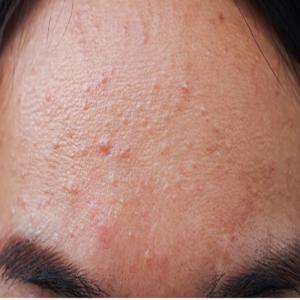
Have you been faithfully using acne face washes, spot treatments, and serums, yet those stubborn little bumps on your forehead refuse to disappear? Maybe they're itchy, seem to appear in clusters, and don't respond to the products that usually work for pimples. If this sounds familiar, you may not be dealing with traditional acne at all. Instead, you could be experiencing something commonly known as fungal acne.
Despite its name, fungal acne isn't technically acne. Understanding the difference can help explain why conventional acne treatments often fail and what you can do instead.
What Is Fungal Acne?
The medical term for fungal acne is Malassezia folliculitis. It occurs when a type of yeast called Malassezia, which naturally lives on the skin, grows excessively and inflames the hair follicles.
Unlike traditional acne, which is typically caused by excess oil, clogged pores, bacteria, and inflammation, fungal acne results from an overgrowth of yeast. Because the underlying cause is different, treatments designed for regular acne often provide little relief.
How Does Fungal Acne Look?
Fungal acne is frequently mistaken for ordinary breakouts because both conditions can cause bumps on the skin.
However, there are a few signs that may suggest fungal acne:
• Small, uniform bumps that look similar in size
• Clusters of tiny whiteheads or red bumps
• Itching or irritation
• Commonly appears on the forehead, hairline, chest, shoulders, and back
• Breakouts that persist despite traditional acne treatments
Unlike regular acne, fungal acne usually lacks the mix of blackheads, whiteheads, and large inflamed pimples that many people experience.
Why Regular Acne Treatments May Not Work
Many standard acne products focus on reducing oil, unclogging pores, or eliminating acne-causing bacteria.
Common ingredients include:
• Benzoyl peroxide
• Salicylic acid
• Retinoids
• Antibiotics
While these treatments can be effective for traditional acne, they don't specifically target yeast overgrowth.
In some cases, prolonged use of antibiotics may even disrupt the skin's natural balance and potentially contribute to fungal acne by reducing beneficial bacteria that help keep yeast levels in check.
This is one reason why some people find that their breakouts worsen or remain unchanged despite following a strict acne routine.
What Triggers Fungal Acne?
Several factors can create conditions that allow yeast to multiply more easily.
Common triggers include:
• Hot and humid weather
• Excessive sweating
• Tight or non-breathable clothing
• Oily skincare products
• Prolonged antibiotic use
• Wearing sweaty workout clothes for extended periods
People who exercise frequently or live in warm climates may be particularly susceptible.
How Is Fungal Acne Treated?
Since fungal acne is caused by yeast, treatment often involves antifungal ingredients rather than traditional acne medications.
Healthcare professionals may recommend products containing:
• Ketoconazole
• Selenium sulfide
• Zinc pyrithione
These ingredients are commonly found in certain medicated shampoos and topical treatments that help reduce yeast overgrowth.
Some dermatologists may also prescribe antifungal medications when necessary.
Because skin conditions can look similar, obtaining a proper diagnosis is important before starting treatment.
Skincare Habits That May Help
In addition to medical treatment, simple lifestyle adjustments can support healthier skin.
Consider these habits:
• Shower soon after sweating
• Change out of workout clothes promptly
• Use lightweight, non-comedogenic skincare products
• Avoid excessively heavy oils if they seem to worsen breakouts
• Wash pillowcases and towels regularly
Maintaining good skin hygiene can help reduce conditions that encourage yeast growth.
When to See a Dermatologist
Many skin concerns can resemble fungal acne, including traditional acne, rosacea, heat rash, and allergic reactions.
If you notice:
• Persistent itchy bumps
• Breakouts that don't improve with standard acne treatments
• Recurrent forehead, chest, or back eruptions
it may be worth consulting a dermatologist.
A professional evaluation can help determine the true cause of your skin concerns and guide you toward the most effective treatment plan.
The Importance of an Accurate Diagnosis
One of the most frustrating aspects of fungal acne is spending months treating the wrong condition.
When people assume every breakout is traditional acne, they often invest in products that never address the root cause. Understanding that not all bumps are the same is a crucial step toward healthier skin.
Final Thoughts
Tiny, itchy forehead bumps that refuse to respond to regular acne products may be more than ordinary acne. Fungal acne, or Malassezia folliculitis, is a common but often misunderstood condition caused by yeast overgrowth rather than clogged pores.
The good news is that once correctly identified, fungal acne can often be managed effectively with targeted treatments and supportive skincare habits.
If your current acne routine isn't delivering results, it may be time to consider whether something else is going on. Sometimes the key to clearer skin isn't trying harder—it’s treating the right condition in the first place.
TAGS : fungal acne decoded: why your regular acne treatments aren,t working on those tiny, itchy forehead bumps, fungal acne


